
Yes, a fashion brand should become an FDCI member if it has been designing and selling under its own label for two or more years and wants credibility in the Indian luxury market and abroad. FDCI membership is one of the cleaner credibility steps an Indian label can take, and it is the only route to applying for a slot at India Fashion Week or India Couture Week.
Most Indian designers I meet treat the FDCI like a trophy. They want the logo on the studio wall and the photo from fashion week. Fair enough. But that's the small version of what membership can do for a label.
The Fashion Design Council of India runs the business side of Indian fashion. If you've built a label here and you want it taken seriously, at home and abroad, membership is one of the cleaner credibility steps you can take. Here's who qualifies, what it costs, what it actually opens, and the part most people skip.
What is the FDCI?
The FDCI is a not-for-profit set up in December 1998 to grow the business of fashion in India. Today the council counts more than 400 members: designers, accessory labels, manufacturers, exporters, retailers and fashion schools (FDCI; Wikipedia).
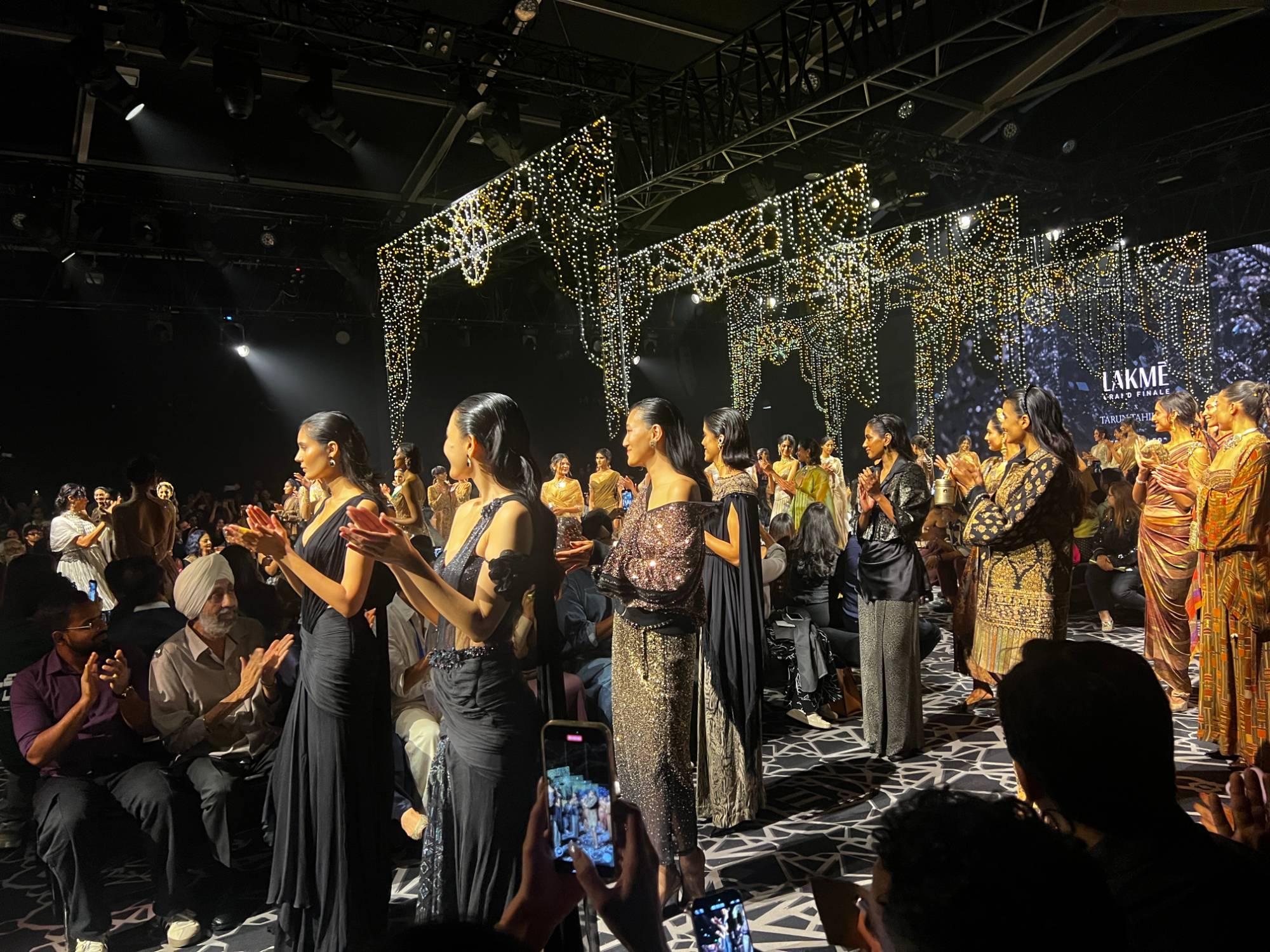
The FDCI is the body behind India Fashion Week. In 2021 the FDCI joined forces with Lakmé Fashion Week and Reliance Brands to run a single fashion week, held alternately in Mumbai and Delhi twice a year. The council also runs India Couture Week every July in New Delhi, the country's top couture platform.
If you want context on the scale of it, WWD covered the Lakmé Fashion Week x FDCI partnership around its 25th edition, and Business of Fashion has tracked the council's long-running role in shaping the Indian industry. This isn't a small club. It's the closest thing India has to a national fashion authority.
Who can become an FDCI member?
FDCI membership is by selection, not by payment. You don't buy your way in. The FDCI Membership Committee reviews each application, and the decision is theirs. The basic bar:
- Two or more years actively designing and selling under your own label.
- A signature style that's recognisable as yours.
- Indian national designing in India, or a designer of Indian origin whose business is based mainly in India.
- A real retail network, plus a portfolio, press coverage and photos of your studio.
If you read that list and most of it is missing, you're not ready yet. That's useful to know early. Build the retail base and the press file first, then apply.
FDCI membership has more than one door. The council runs several categories:
- Designer members: own-label designers, two years in.
- Preliminary members: newer, upcoming designers.
- Accessory members: jewellery, bags, footwear and the rest.
- Industry and corporate members: manufacturers, exporters, retailers and media. Corporate applications can be filed online.
- Institutional members: fashion schools and trade bodies.
A manufacturer or an exporter can join too. You don't have to be a runway name to belong.
What documents do you need to apply?
Most rejections come from thin applications, not weak design. Have these documents ready before you start:
- A portfolio or lookbook that clearly reads as your work.
- Copies of press coverage you've actually earned.
- Photos of your studio or workshop.
- Educational certificates, where relevant.
- Proof of a working retail network, stockists, your own store, or order history.
- The processing-fee demand draft for your category.
What does FDCI membership give you?
FDCI membership opens three things, and only one of them is the photo: a seat at India Fashion Week, a room full of buyers and press, and a credibility signal that travels.
Can non-members show at India Fashion Week?
You have to be an FDCI member to apply to show at India Fashion Week or India Couture Week. No membership, no slot. For a label aiming at the Indian luxury market, that's the single most direct reason to join.
Buyers and press in one room
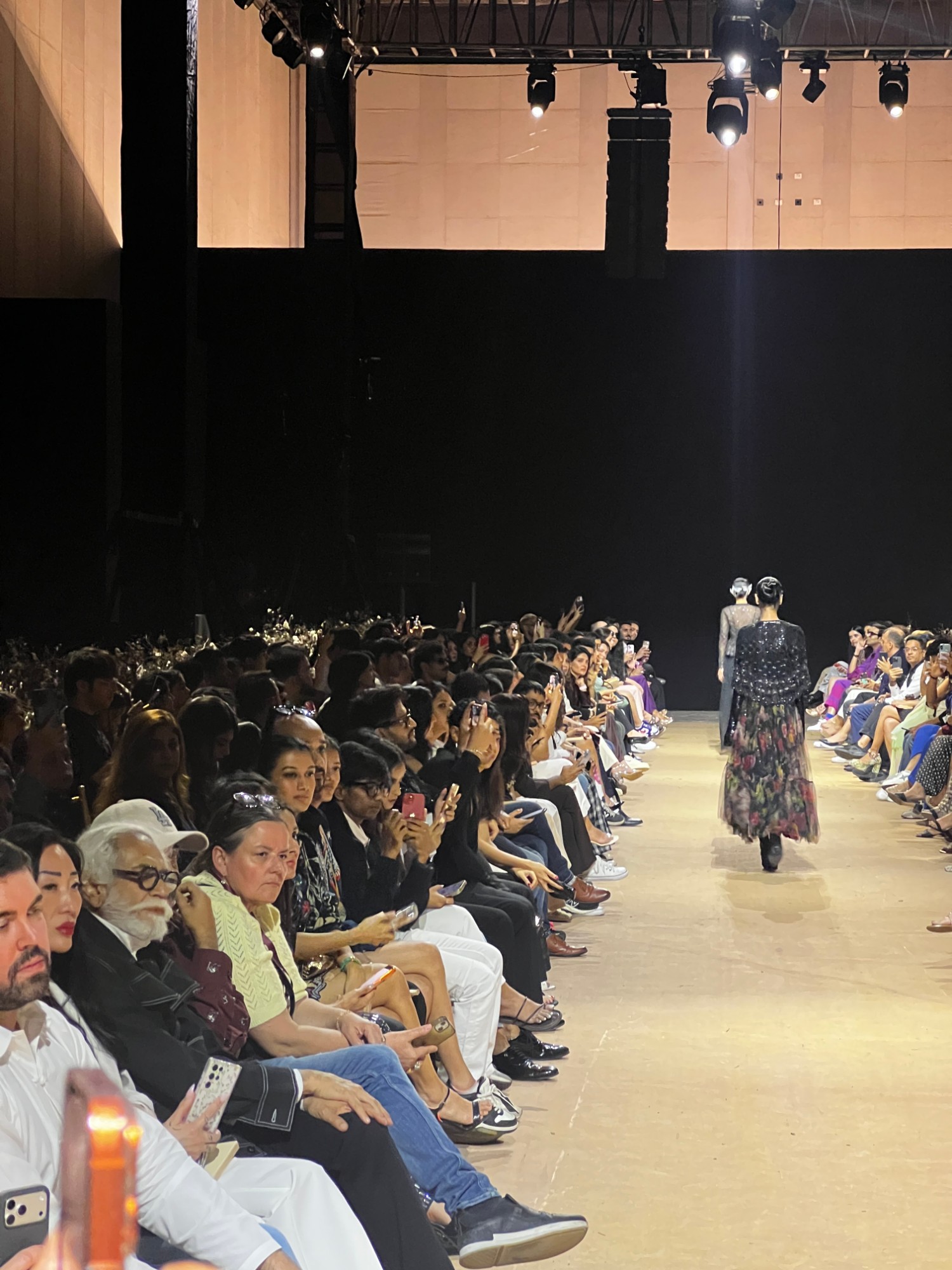
India Fashion Week pulls in buyers, media and influencers from across the country and abroad. The Ministry of Commerce and Industry backs FDCI initiatives and helps with international trade at the shows (FDCI). For a young label, that's a season's worth of introductions in a few days.
A credibility signal that travels
The credibility signal is the part people underrate. The FDCI logo next to your name tells anyone, a stockist, a press desk, a foreign show organiser, that a serious committee looked at your work and said yes. It's shorthand for “this is a real business.” That signal carries well beyond India.
How much does FDCI membership cost?
The FDCI processing fee runs from Rs 100 to Rs 500 depending on the category, paid by demand draft to the Fashion Design Council of India in New Delhi (application details here). Annual dues are quoted to you once you're selected, and they vary by category.
Timing matters more than the fee. FDCI selections happen twice a year, roughly June to August and November to January. If you miss a window, you wait months. So get the file in early.
The practical steps to apply are simple. Download the form for your category, attach the checklist (portfolio, press, retail proof, photos, certificates), pay the processing fee, and send it in. Corporate members apply online. Then the committee reviews and comes back to you.
What FDCI membership won't do for sales
An FDCI membership card is a door. It isn't the room, and it definitely isn't the sale.
FDCI gets you in front of the Indian market and the Indian press. That's worth a lot. But for most brands I work with, the bigger commercial jump is a buyer who writes a wholesale order, season after season. And a lot of those buyers don't sit in Delhi. They sit in Paris, in Dubai, in Moscow, walking trade-show aisles with an open budget.
So treat the membership as your home base, not the finish line. Get recognised at home, then put the same collection in front of the buyers who fill order books abroad.
Is FDCI membership worth it for an export-focused brand?
FDCI membership is worth it for an export-focused brand if you treat it as a credential and not a sales channel.
A factory or an export house joining as an industry or corporate member gets the same signal value. A recognised national body is vouching that you're a legitimate operator. When a European buyer or a show organiser runs a quick check on you, that carries weight.
Be honest about the math, though. The processing fee is small. The real cost is the work behind a strong application: a clean portfolio, press you earned, a retail base you can prove. If you have those, apply. If you don't, the months you'd spend building them beat a rushed file that comes back as a no.
I've watched labels join, hang the logo, and change nothing about how they sell. The membership did nothing for them because they asked nothing of it. The ones who get value put it to work: they apply to show, they meet the buyers, they use the credential abroad.
What FDCI membership cannot do
FDCI membership won't design your collection. It won't fix pricing that can't survive a European markup. It won't hand you a buyer who places a repeat order. Those stay your job, and ours.
What FDCI membership does is remove a question mark. It tells the room you've been vetted by people who know the industry. Everything after that still rests on the product and the work. Which is exactly how it should be.
Does FDCI help brands reach international markets?
FDCI's reach doesn't stop at India's borders, which matters most if your eye is on export. The FDCI doesn't only run shows at home. It actively partners with global exhibitions and has brought Indian designers onto international floors, including Who's Next in Paris, the WSN contemporary fashion show. The council frames it plainly: FDCI designers made waves at Who's Next.
FDCI's international partnerships can open doors that are hard to open alone. Through a recognised body, members can sometimes join these international platforms on supported or preferential terms, which can mean a better rate on participation than walking up cold. Rates and deals shift every season, so confirm the current terms before you budget. Who's Next and Première Classe are exactly the kind of shows where this plays out.
How does Expo Connexion view FDCI membership?
Expo Connexion represents eleven B2B fashion shows across Paris, Dubai and Moscow (see the full roster). The brands that travel well already have their house in order at home: a registered label, a clear signature, a retail track record. FDCI membership is shorthand for exactly that.
When a Paris organiser sees an FDCI member, they read a real business, not a hobby. It makes the conversation easier. From there, the right show does the rest. Who's Next for contemporary fashion and lifestyle. Première Classe for curated accessories during Paris Fashion Week. We pair the brand to the show and handle the application end to end.
If you're a school or a trade body trying to lift your members onto these stages, that's its own conversation, and we do that too (institutional services).
Membership at home, a stand at the right show abroad. That's the combination that moves a label from local to exportable.
If your label is two years deep, has a signature buyers recognise, and a real retail base, apply this cycle. Don't wait for the next one.
And when you're ready to put that label in front of European buyers, we'll point you to the right show and manage the paperwork. Start your application, or book a 30-minute call and tell us about your brand.
Sources
- Fashion Design Council of India, Apply for Membership
- Fashion Design Council of India, About Us
- Fashion Design Council of India, FAQs
- Wikipedia, Fashion Design Council of India
- WWD, Lakmé Fashion Week x FDCI
- Business of Fashion, Sunil Sethi (FDCI)
- FDCI official Instagram, designers at Who's Next Paris
- WSN, Who's Next and Première Classe (press)