
Trade Shows
Is Who's Next a good show for Indian manufacturers entering Europe?
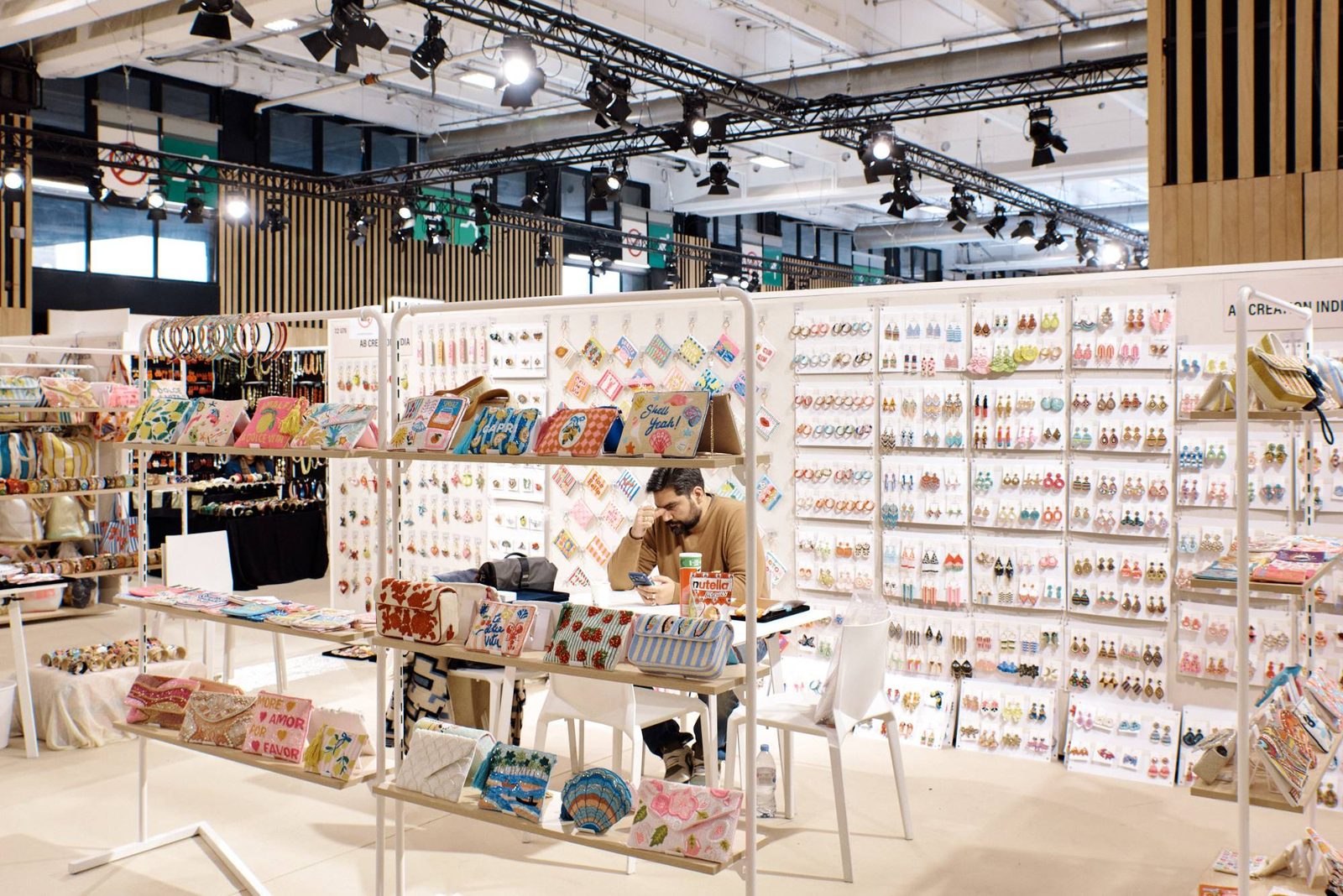
Yes, Who's Next is a strong show for Indian manufacturers entering Europe. It is the demand side of the fashion industry, where finished-fashion brands and their retail buyers gather, so a manufacturer who exhibits there meets future clients and learns what the market is buying rather than competing on price in a sourcing aisle.
Most Indian manufacturers think of Paris as a sourcing trip: book a stand in a sourcing hall, line up your prices, and wait for a buyer to compare you against everyone else. That wins you orders. It rarely builds you a business.
The manufacturers who develop real, lasting European clients tend to do something else. They go where the market is. For finished fashion, that's Who's Next. Here's why it works for a manufacturer, not just a brand.
Is Who's Next a new route for Indian exporters?
Who's Next is not a new experiment for Indian exporters; it is the Paris route the industry has used for decades. Indian manufacturers have been doing business in Paris far longer than most people remember. Back when the Salon International du Prêt-à-Porter ran the city's ready-to-wear calendar, Indian exporters were already there, building European clients season after season. In 2012, that salon merged into Who's Next (WSN). So showing at Who's Next isn't a leap into the unknown. It's the same Paris route your industry has used for generations, now under one roof.
Are your future clients in the room?
Your future clients are in the room at Who's Next, and they bring the buyers with them. This is the part that separates Who's Next from a sourcing hall, and it's the strongest reason to be there.
The brands exhibiting around you are exactly the kind of companies that buy manufacturing. They are your potential clients. And because those brands are at Who's Next to sell, the show fills with the retail buyers who drive their orders. So you're not in a room of other factories competing on price. You're in a room with both the brands who could hire you and the buyers whose demand keeps them ordering.
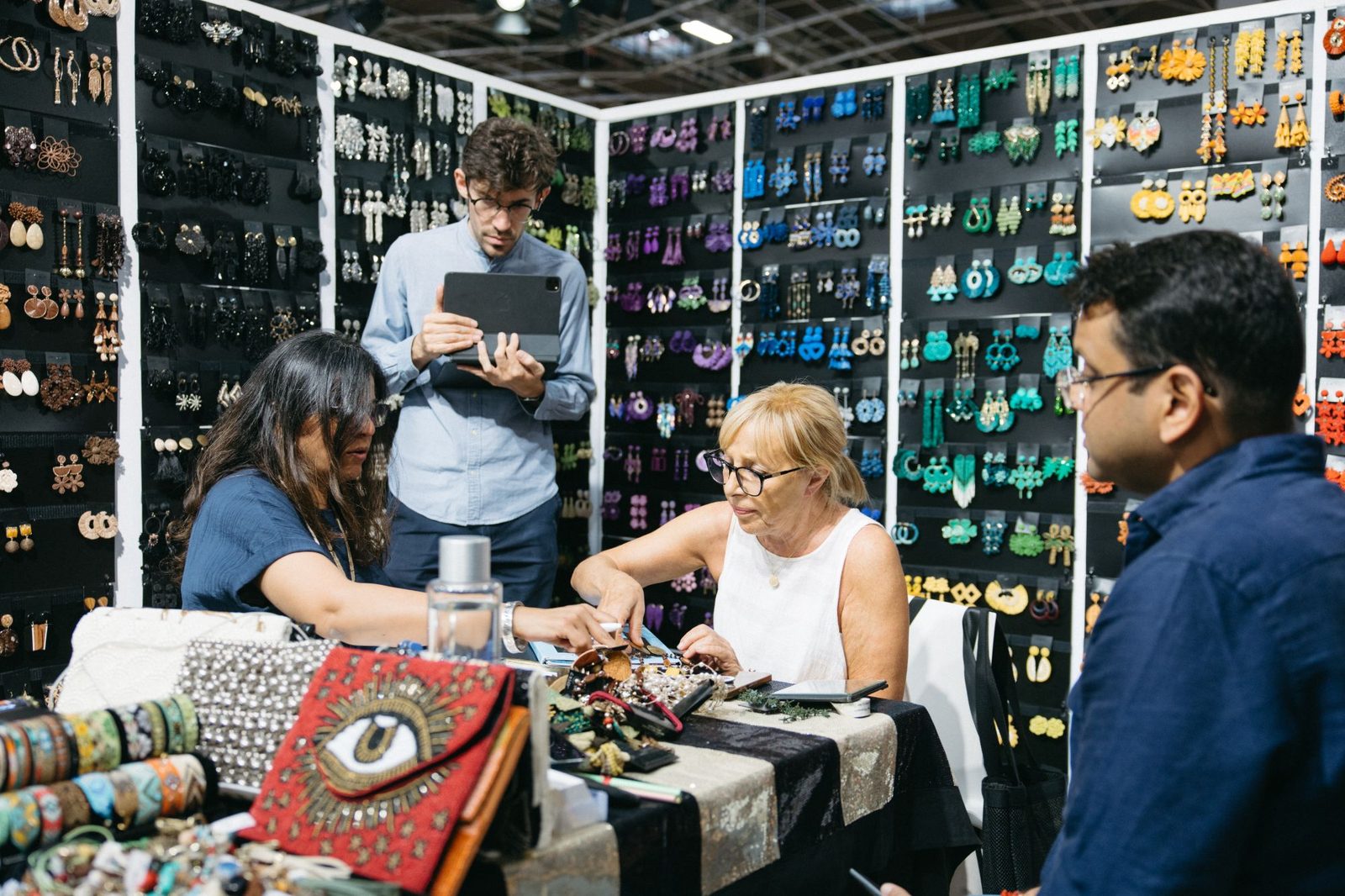
A manufacturer who works that room leaves with relationships a sourcing aisle never offers: a brand that wants a reliable partner, a designer who needs your craft, a buyer who now knows your name.
Which retailers come looking for a manufacturer?
Private-label retailers come to Who's Next looking for a manufacturer, a visitor you'll meet here and almost nowhere else. For a manufacturer it might be the single best reason to come.
A large share of the buyers are owners of multi-store retail chains, the kind running 10 to 50 stores. They come to Who's Next to buy brands, yes. But many of them also come to find a manufacturer for their own private label, the in-house line they sell on the same shelves as the brands they stock. They want to mix the two.
That's a direct opening for you. These retailers want a maker who understands the market they've just walked through and can turn it into their own-label product. Standing in that room as a manufacturer, you are exactly who they're looking for, and one of these relationships can mean your work in thirty stores under their name.
And this is the part that matters most: this kind of buyer comes to Who's Next. They don't walk a fabric-sourcing hall. The retail owner who'll build a private label with you is in this room, and effectively only this room.
Does Who's Next show you what the market wants?
Who's Next shows you what the market actually wants, a second prize nearly as valuable as the orders. At Who's Next you see the market with your own eyes: the latest collections, the colours, the fabrics and the silhouettes that European buyers are writing orders for right now. A manufacturer who walks the show leaves understanding what the customer wants next season instead of guessing at it from a tech pack.
That changes how you make. You develop sharper, more sellable product when you've watched what sells, and you can walk into your next client meeting talking about the market, not just your machines.
Are the buyers only European?
The buyers at Who's Next are not only European. Who's Next pulls professional buyers from more than 125 countries (Expo Connexion). A stand in Paris puts your capability in front of markets you would spend years reaching one by one, the Gulf, Japan, the US, all walking the same aisles. Paris is the meeting point; the reach is global.
Who's Next or a sourcing show like Texworld?
Who's Next and a sourcing show like Texworld do different jobs, and that is the honest answer. Texworld Apparel Sourcing is the largest fabric-and-garment sourcing event in Europe, around 1,200 manufacturers from some 30 countries, and it's genuinely good at what it does: helping a buyer find production. If your single goal is to win a manufacturing order at volume, that's the right tool, and we'd tell you so.
But look at what that show is. It's the supply side. You stand among more than a thousand factories, compared mostly on capability and price, with little view of the end market, meeting sourcing teams hunting for the most reliable maker at the best number.
Who's Next is the other side of the same industry. It's the demand side, where brands sell to buyers and the market sets its direction. For a manufacturer who wants to develop lasting European clients, understand what sells, and be treated as a partner rather than a quote, that's the more useful room. Put simply: a sourcing show helps you win the order. Who's Next helps you build the relationships and the market knowledge a business runs on.
Exhibitor loyalty is the clearest tell. Around 80% of the exhibitors at Who's Next come back, season after season. People don't re-book a show that isn't working for them. You don't see that kind of return rate at a sourcing show, where exhibitors tend to rotate through chasing the next order. A high repeat rate is the clearest signal that a show actually builds business, not just traffic.
How does a manufacturer stop being anonymous?
The Indian manufacturers who win in Europe stop being anonymous suppliers. They don't stay invisible suppliers competing on price forever; they move up: a design-led private-label offer, a real partnership with a brand they met, or their own label sold directly to buyers.
Who's Next is where that move happens, because it's where the brands and the buyers are. We've built on both sides of this ourselves, the factory and the brand, so we know the jump from supplier to partner is real, and we know it starts in a room like this one.
Take a Tirupur knits factory or a Delhi embroidery house. On a sourcing spreadsheet they're a line, a price and a lead time. At Who's Next, showing a tight, design-led capsule, they become a name a brand remembers and a buyer can already picture on a shelf. Same factory, completely different position.
How do you make Who's Next count as a manufacturer?
To make Who's Next count as a manufacturer, prepare like a brand:
- Show a small, design-led capsule, not a capability sheet. Product opens conversations; a factory profile closes them.
- Lead with what only you do well, your craft or speciality, the thing a brand can't easily source elsewhere.
- Have your terms ready: minimums, lead times, what you can private-label, what you can ship and when.
- Talk about the market, not your machines. You've just walked the floor, use what you saw.
- Follow up within a week, exactly like a brand would. The relationship is the point.
How do you take part in Who's Next?
As the show's agent for India, we help manufacturers show up at Who's Next the right way, not as a booth in a sourcing aisle, but as a credible label or design-led partner that brands and buyers take seriously. We look at what you make, recommend how to present it, and handle the application and booth with the organiser (apply here). For a feel of the floor before you go, read a day at Who's Next.
A sourcing show sells your capacity. Who's Next sells your future: the clients, the buyers, the market understanding, and the chance to stop being a price on a list. For an Indian manufacturer serious about Europe, that's the room to be in.
Tell us what you make and we'll tell you honestly how to position it. Apply here, or book a 30-minute call.