
How did Bijorhca go in September 2026, and what can Indian jewellery fill?
Bijorhca had a strong September 2026 in a cautious market: 170 exhibitors from 22 countries, buyers from 72 countries, and attendance in Hall 1 up 3% on last year. India was the fourth-largest foreign exhibitor group, mostly in silver. The trends buyers came for sit in fashion jewellery, and that's where Indian makers can grow next.
How did Bijorhca September 2026 go?
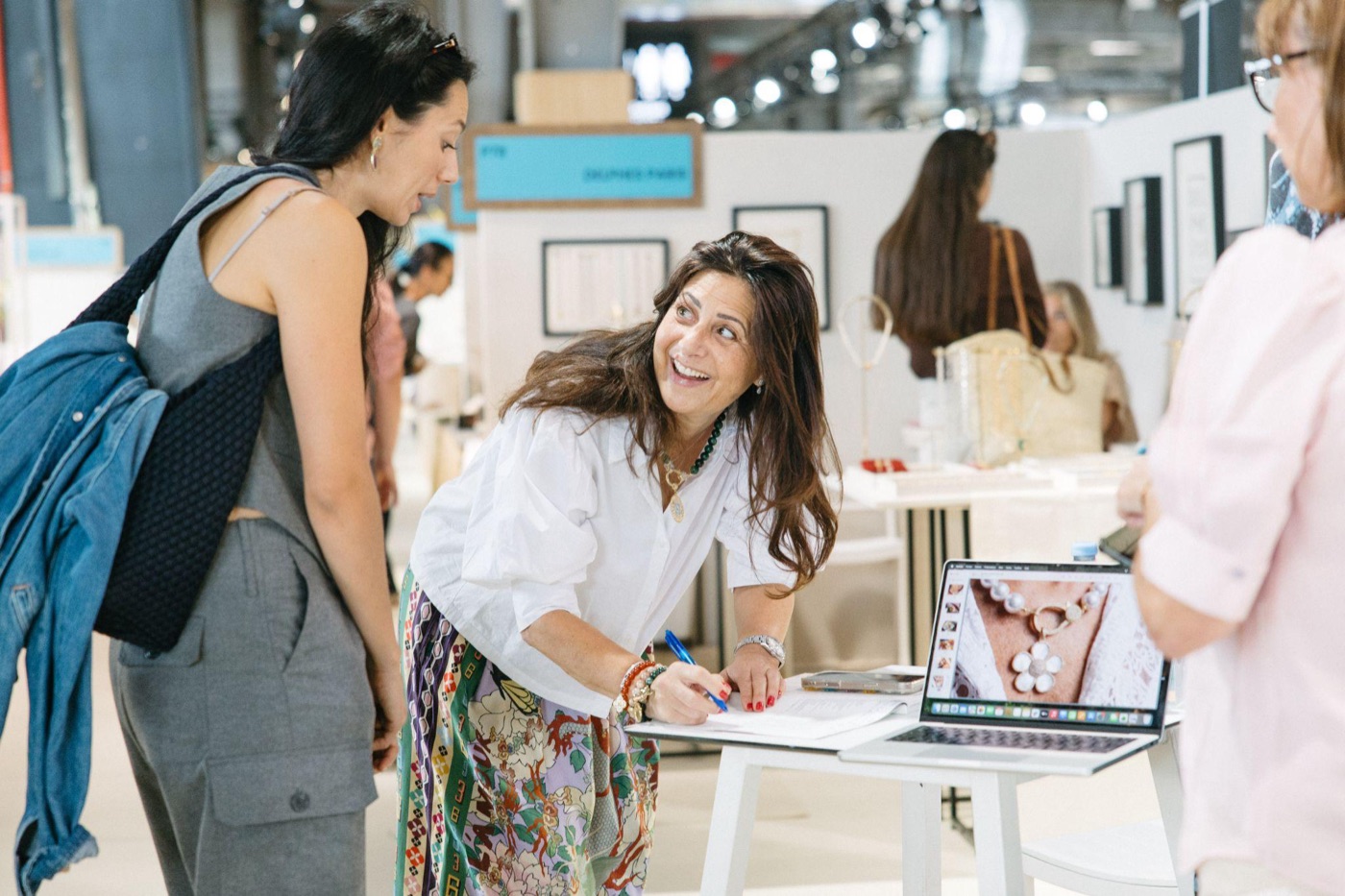
Bijorhca September 2026 went well for the people who matter most at a trade show: the exhibitors writing orders. It ran from 5 to 7 September at Paris Porte de Versailles, Hall 1, in the same hall as Who's Next, Shoppe Object Paris and Interfilière (see the show).
The market is still careful. Buyers take longer to decide and keep their order volumes tight, and WSN says so openly in its post-show report. But the quality of the visitors came up again and again on the floor.
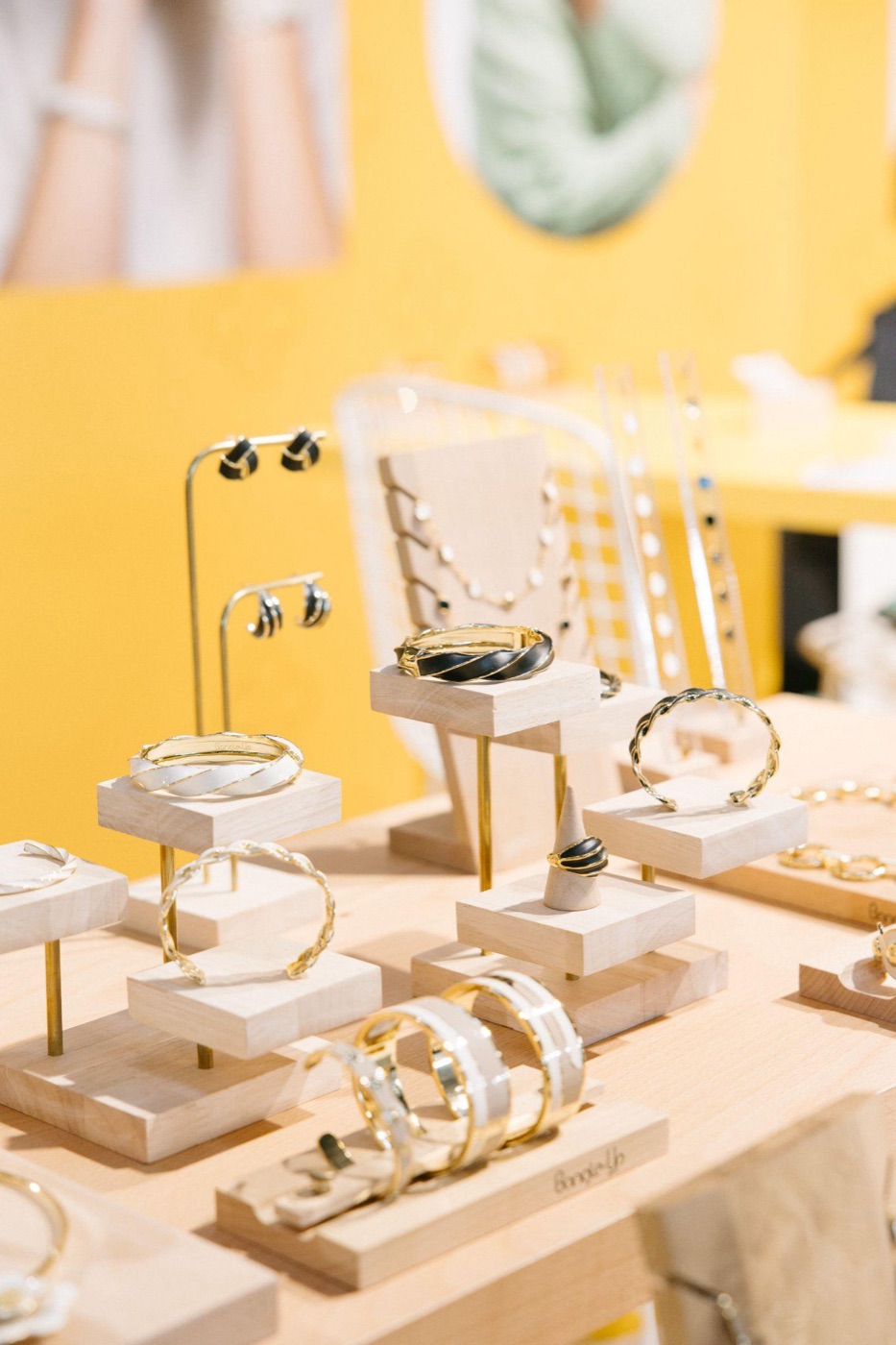
At YAY Paris, buyers came to scout on Saturday and came back on Sunday to place orders, from France but also from Switzerland, Germany and Belgium. Bangle Up talked about “a very good turnout” and a high-quality audience. Satellite saw “genuine commercial momentum” (WSN, 17 September 2026).
BOCI's president Maxime Rousseau called the edition “a resounding success”. We'd put it more simply: people came to buy, and they bought.
What do the numbers say?
The numbers say Bijorhca is an international show with a French buying base. Here's the September 2026 edition in figures, from WSN's post-show report.
| Metric | September 2026 |
|---|---|
| Exhibitors | 170 brands and suppliers, 33% new |
| Brands and collections | 132, 37% new |
| Wholesalers and suppliers | 38, 20% new |
| International exhibitors | 64%, from 22 countries |
| Top foreign exhibitor countries | Italy 14%, Spain 12%, Greece 12%, India 7%, Germany 7% |
| Visitors interested in Bijorhca | 73% French, 27% international, from 72 countries |
| Top foreign visitor countries | Belgium, Italy, Spain, Germany, Netherlands |
| First-time visitors | 22% |
| Visitor profile | Retailers and concept stores 41%, artisans 23%, manufacturers, wholesalers and importers 7% |
| Buying power | 82% in purchasing roles (senior management 46%, buyers 36%) |
Two numbers matter most for an Indian exporter.
82% of visitors can sign an order. Almost half are owners or senior managers, and another third are buyers. You spend your three days talking to people who decide.
41% are independent retailers and concept stores. They buy with care, in small quantities, and they reorder what sells. That suits makers who can offer low minimums and handwork.
What stood out on the floor?
The BOCI space stood out first. The jewellery federation built a stand shaped like a swimming pool, and it became one of the busiest meeting points of the show, with advice from BOCI's experts and live craft from the Elemento school and Savoir pour Faire.
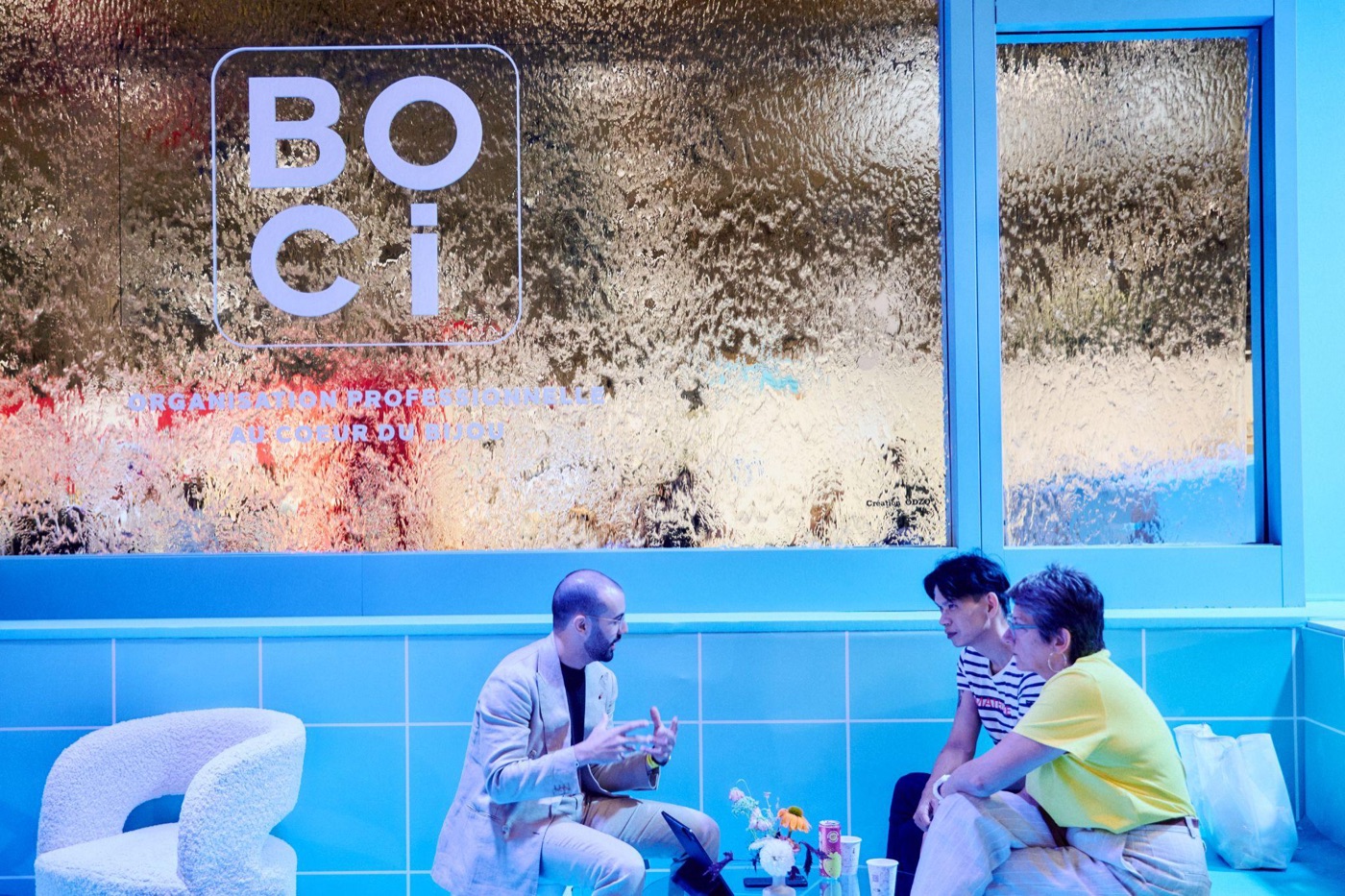
- The talks. The new programme of short talks on trends, retail and circularity was full all three days.
- Philippe Ferrandis. His “Trésors d'Ateliers” exhibition opened 40 years of archives.
- Brilliant. The fine-jewellery space, run with Francéclat, drew serious buyers. India's Raw Bhoomi was in it.
- Elements by Bijorhca. Components, gemstones, displays, tools and even cash-and-carry, where boutiques and brands came to source directly.
Which countries came as a group, and why does it matter?
Italy and Morocco came as groups. 17 Italian brands came through ITA, the Italian Trade Agency. Morocco had a 10-exhibitor pavilion backed by the Maison de l'Artisan.
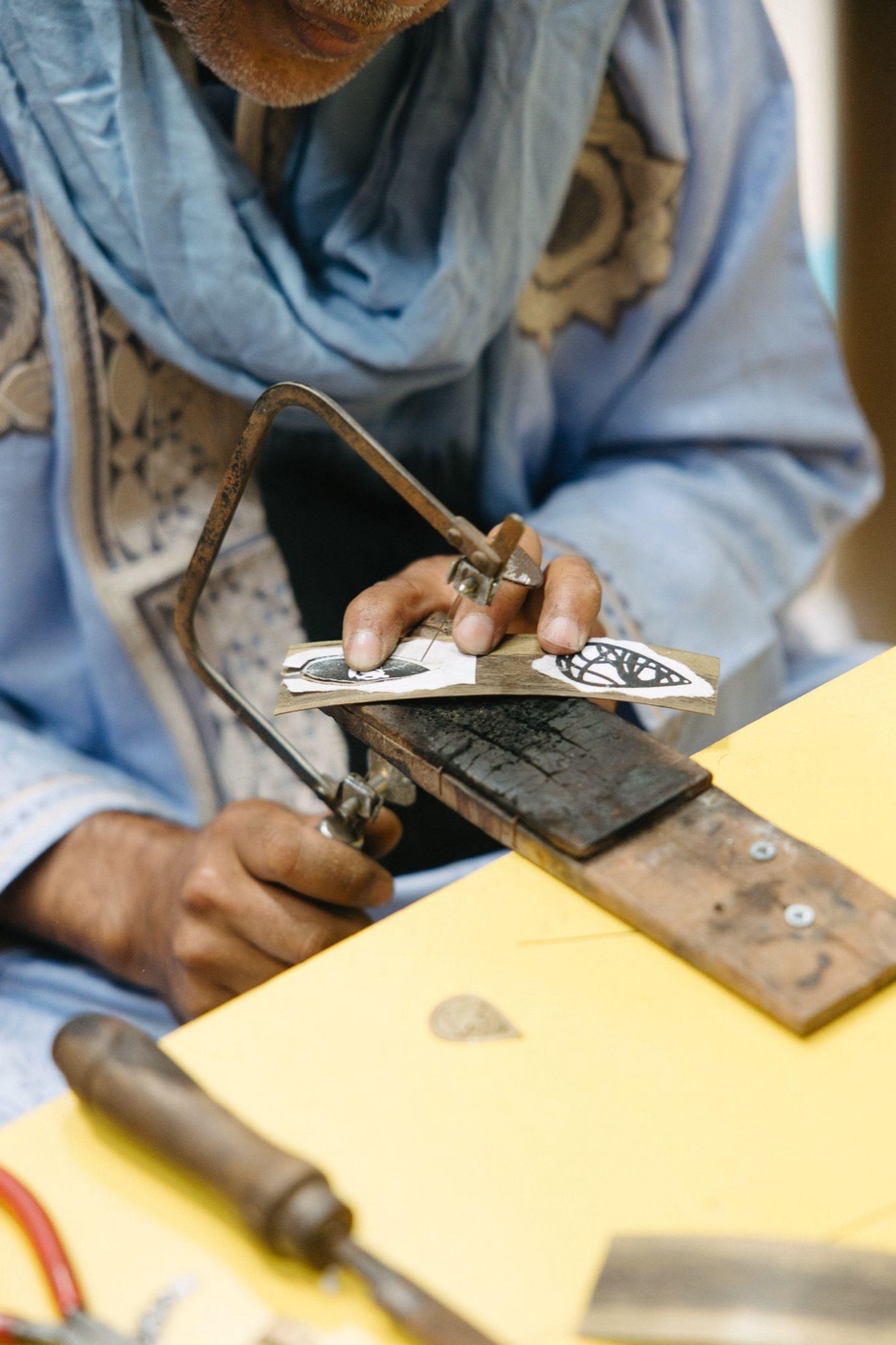
India came as individual companies. 7% of the floor, about a dozen exhibitors, which made India the fourth-largest foreign country at the show, level with Germany. Earlier this year Bijorhca put India at about 6% of its offer, so the number is moving the right way.
The Indian houses at Bijorhca this September were Ashtar, Bhavya Ramesh, Earthaments, Ishime Jewels, Mortantra, Adore Jewels, Raw Bhoomi in Brilliant, and Silver Gallery in Elements (the full Indian list is here). Most of them work in 925 sterling silver.
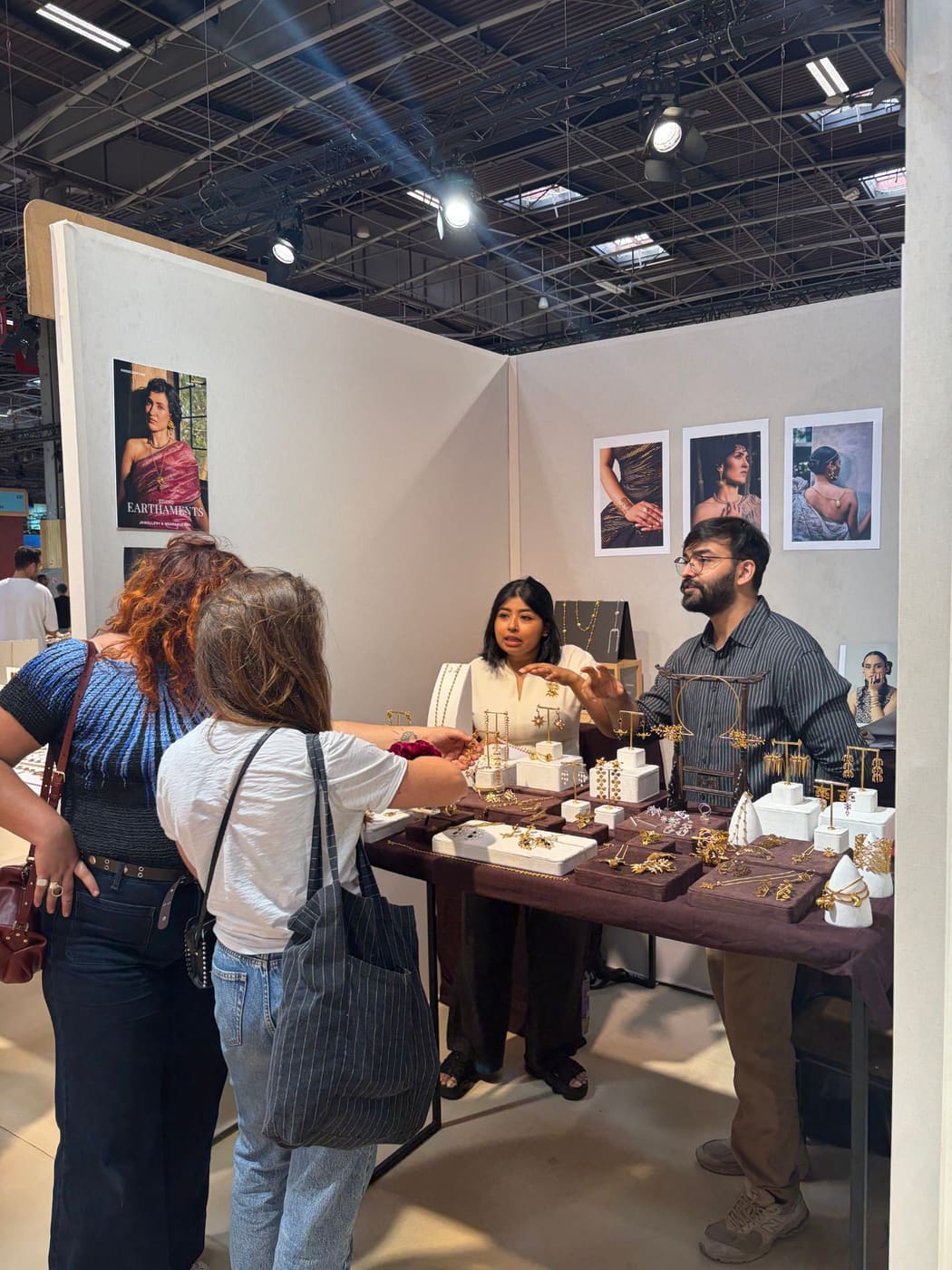
A pavilion changes how buyers see you. One flag, one look, one place to walk to, and the press writes about the country. Italy and Morocco got that. India already has the numbers for it.
What were European buyers looking for this season?
European buyers were looking for jewellery that makes a statement. Bijorhca's trend picks for the season were bigger, more colourful and more mixed in materials than last year (WSN, June 2026).
XXL statement pieces
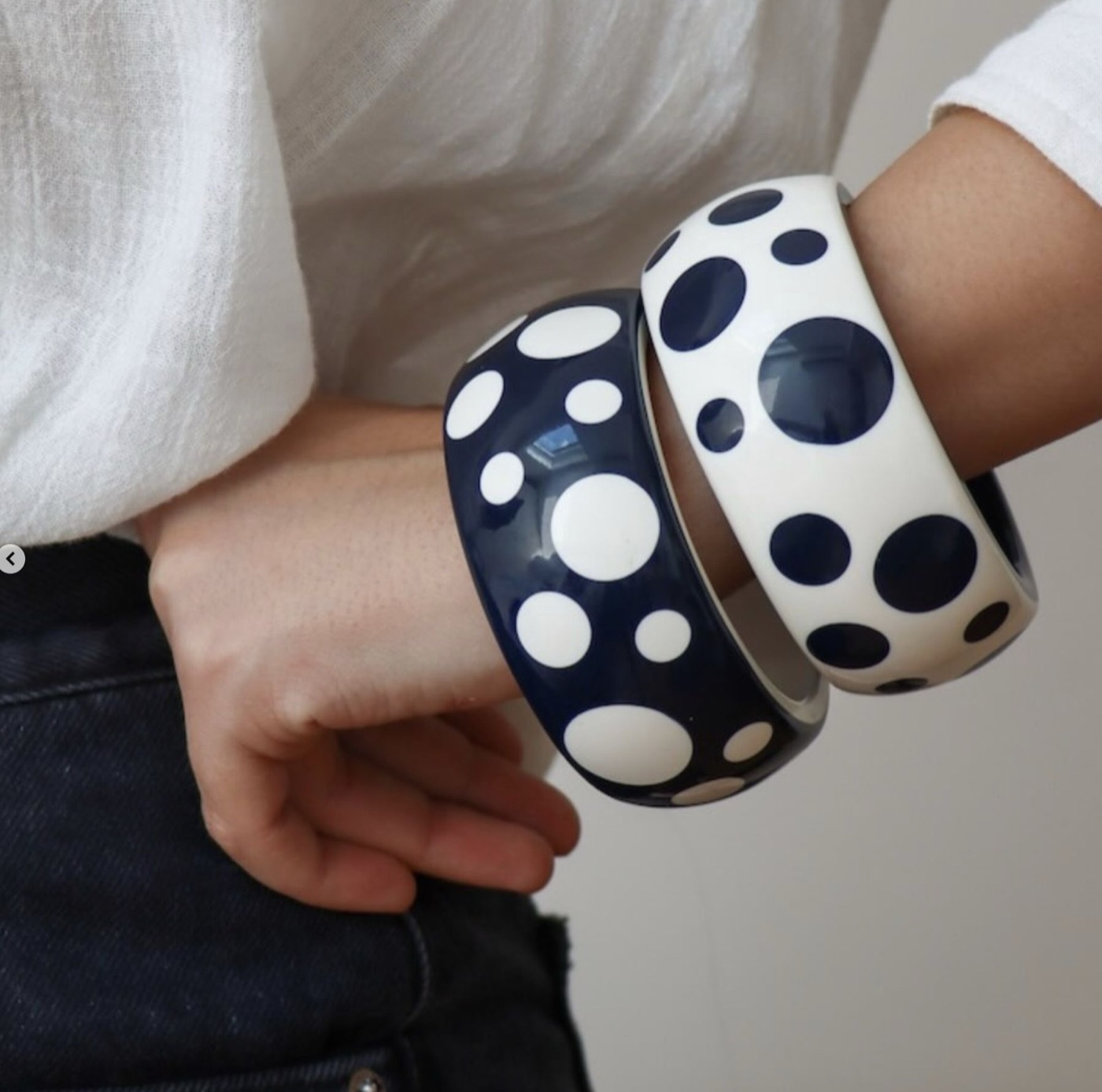
Statement necklaces and oversized cuffs were the trend of the season. Pinterest searches for XXL jewellery rose 105% in one year. Soninké, Crézus and Philippe Ferrandis led it on the floor, with a strong Greek group behind them.
The hand: nail, finger and knuckle jewellery
The hand became its own category: midi rings, knuckle rings and nail jewellery, pushed by Rihanna at the 2026 Met Gala. WSN named the Indian brand Bhavya Ramesh among the brands to see for full-hand jewellery.
After the show, WSN's report gave its spotlight to a first-time Chinese nail-jewellery brand that came to test the French market and left with far more buyer and press contacts than it expected.
Colour and playful motifs
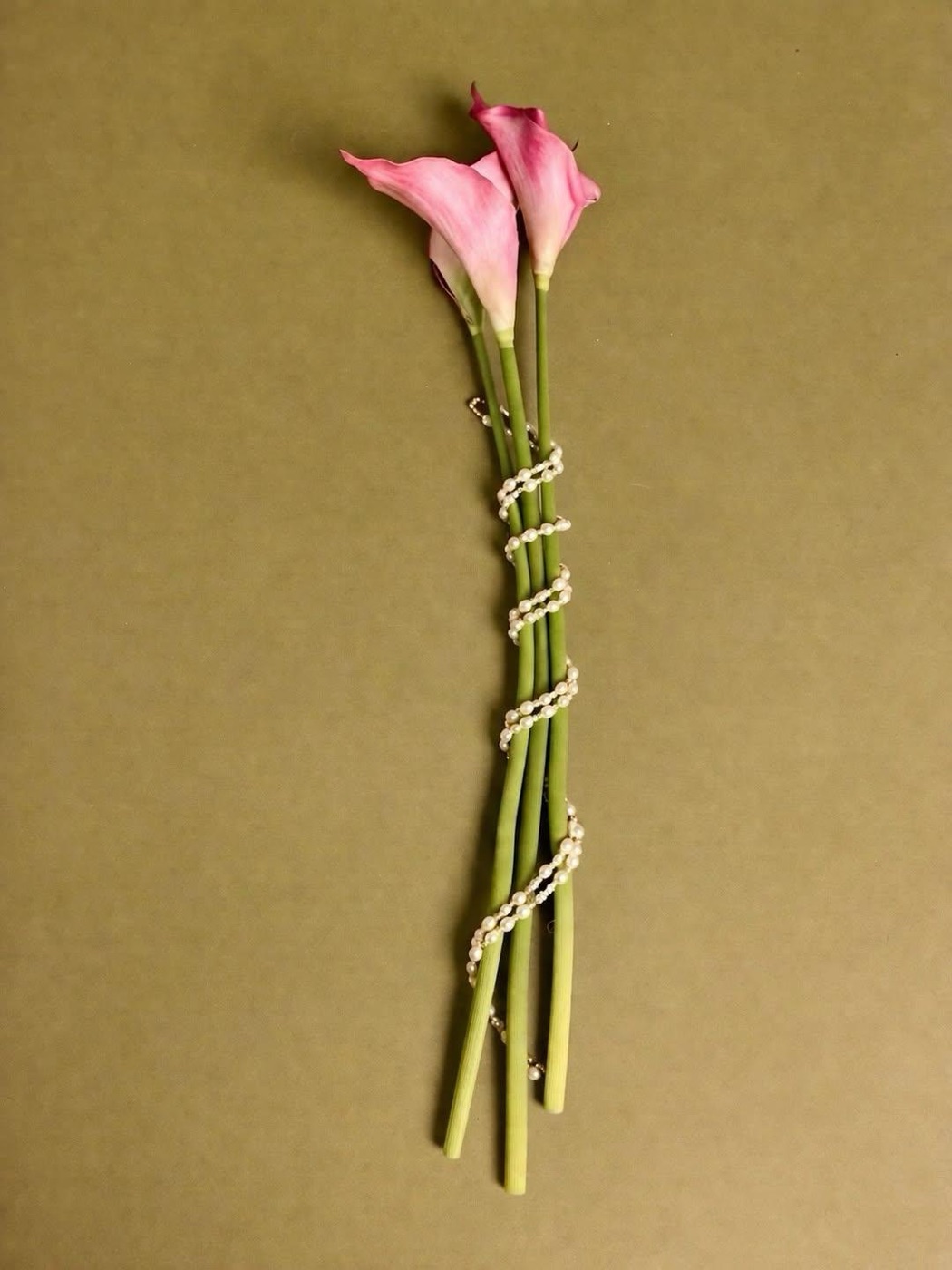
Bright colour and fun shapes sold the summer mood: cherries at the ears, strawberries at the neck, daisies as pendants. French and Italian brands led this story.
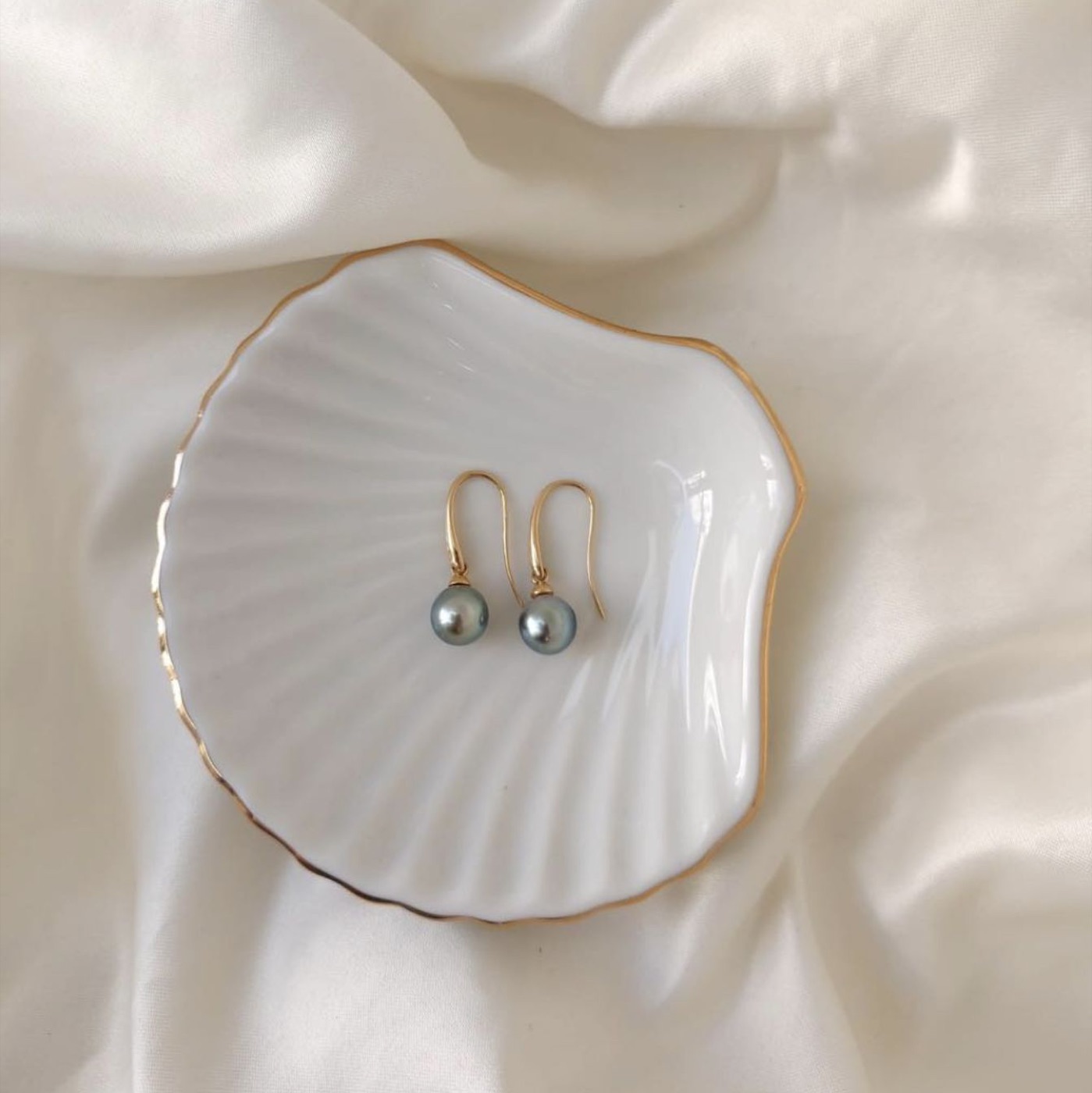
Men's jewellery and pearls
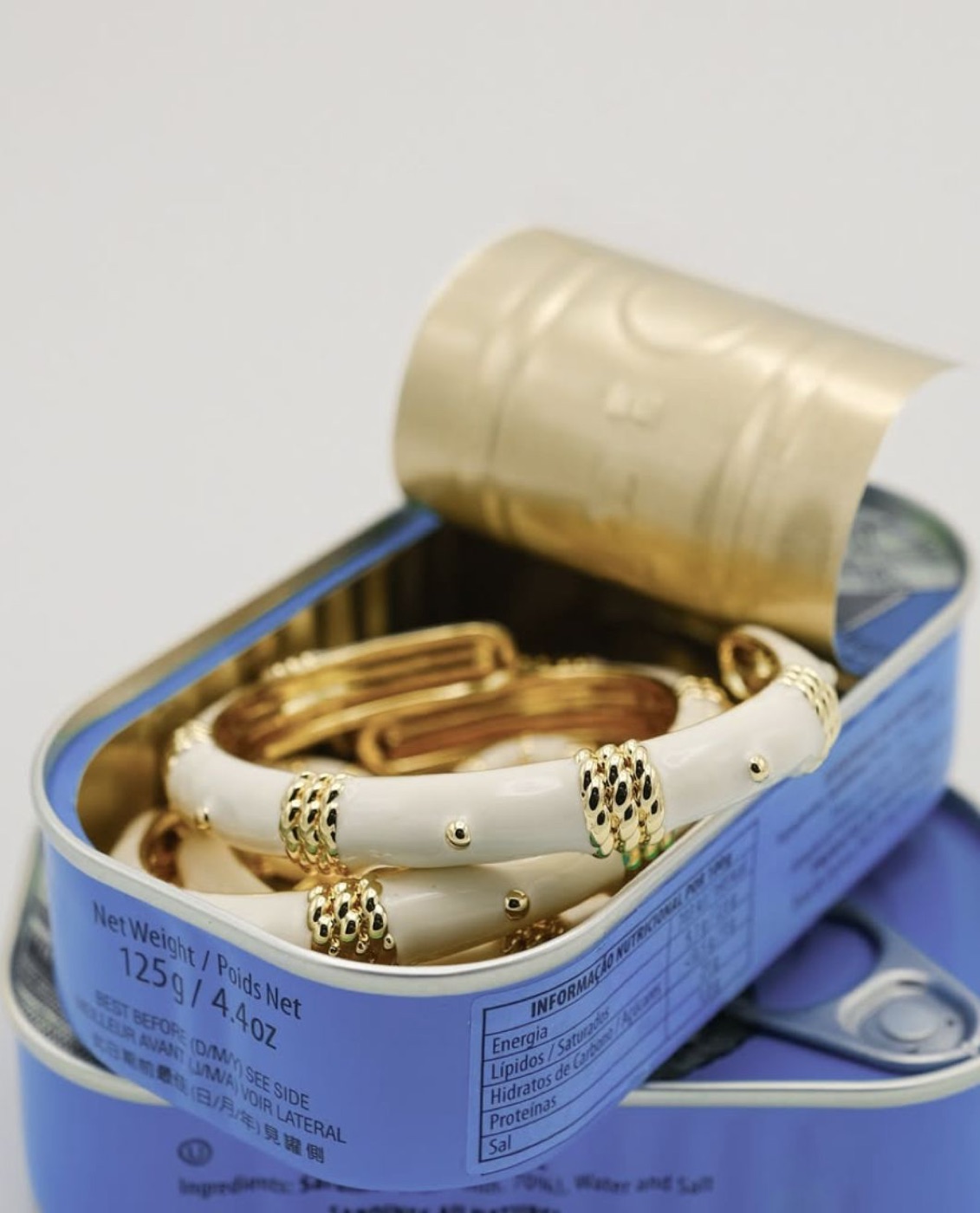
Men's jewellery is growing fast: brooches, trouser chains, pins, rings, and pearls above all, now worn by Gen Z. Dedicated men's lines are multiplying, and unisex pieces are everywhere.
Wood, horn, leather and recycled gold
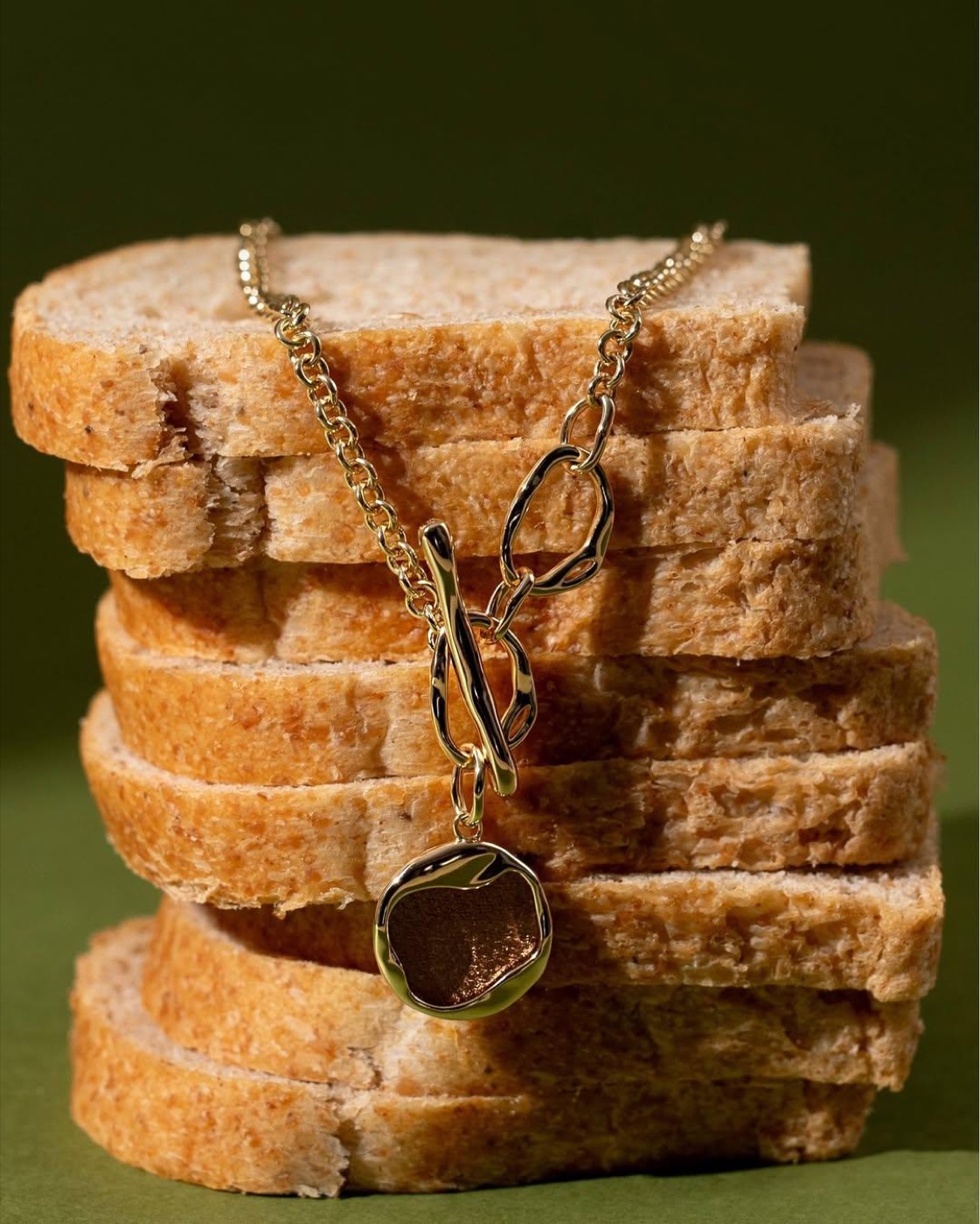
Raw, tactile materials came in: wood, buffalo horn, leather. With metal prices up, brands are also moving to recycled gold for plating. WSN named Soyang for horn and Be Dogon Art for horn and ebony.
Where can Indian jewellery brands and manufacturers fill the gap?
Indian makers can fill the gap in fashion jewellery. Almost every trend above sits outside 925 silver, and India makes most of it at scale already, in clusters most European buyers have never heard of.
| Trend at Bijorhca | What India already makes | Where |
|---|---|---|
| XXL statement pieces | Kundan and polki-style pieces, temple and tribal chokers, oversized brass cuffs | Jaipur, Mumbai, Moradabad |
| Hand and nail jewellery | Haathphool hand harnesses, finger chains, multi-finger rings | Jaipur, Mumbai |
| Colour and enamel | Meenakari enamel, glass beads, lac and resin | Jaipur, Firozabad |
| Horn, wood, natural materials | Buffalo horn, carved wood, bone | Sambhal, Saharanpur |
| Men's jewellery and pearls | Pearls, kadas, brooches and buttons | Hyderabad, Jaipur |
| Components and stones | Cut coloured gemstones, silver and brass findings | Jaipur, Mumbai |
1. Statement pieces. Big, ornate, layered jewellery is India's native language. Kundan-style chokers and oversized brass cuffs fit the XXL trend without a redesign. Almost none of it was on the floor.
2. Hand and nail jewellery. The haathphool has been worn in India for centuries. Bhavya Ramesh proves the Indian design eye works here, and a Chinese newcomer just proved buyers want it. There's room for more Indian brands, especially at accessible prices.
3. Colour and enamel. Jaipur's meenakari and Firozabad's glass can carry the colour story at a price European ateliers can't match.
4. Horn and wood. Sambhal in Uttar Pradesh has worked buffalo horn for generations and already exports it. Saharanpur does the same with wood. Europe is asking for exactly this, and the names it heard in Paris weren't Indian.
5. Men's jewellery and pearls. Hyderabad pearls, kadas and sherwani brooches are a ready vocabulary for the men's lines European retailers are building.
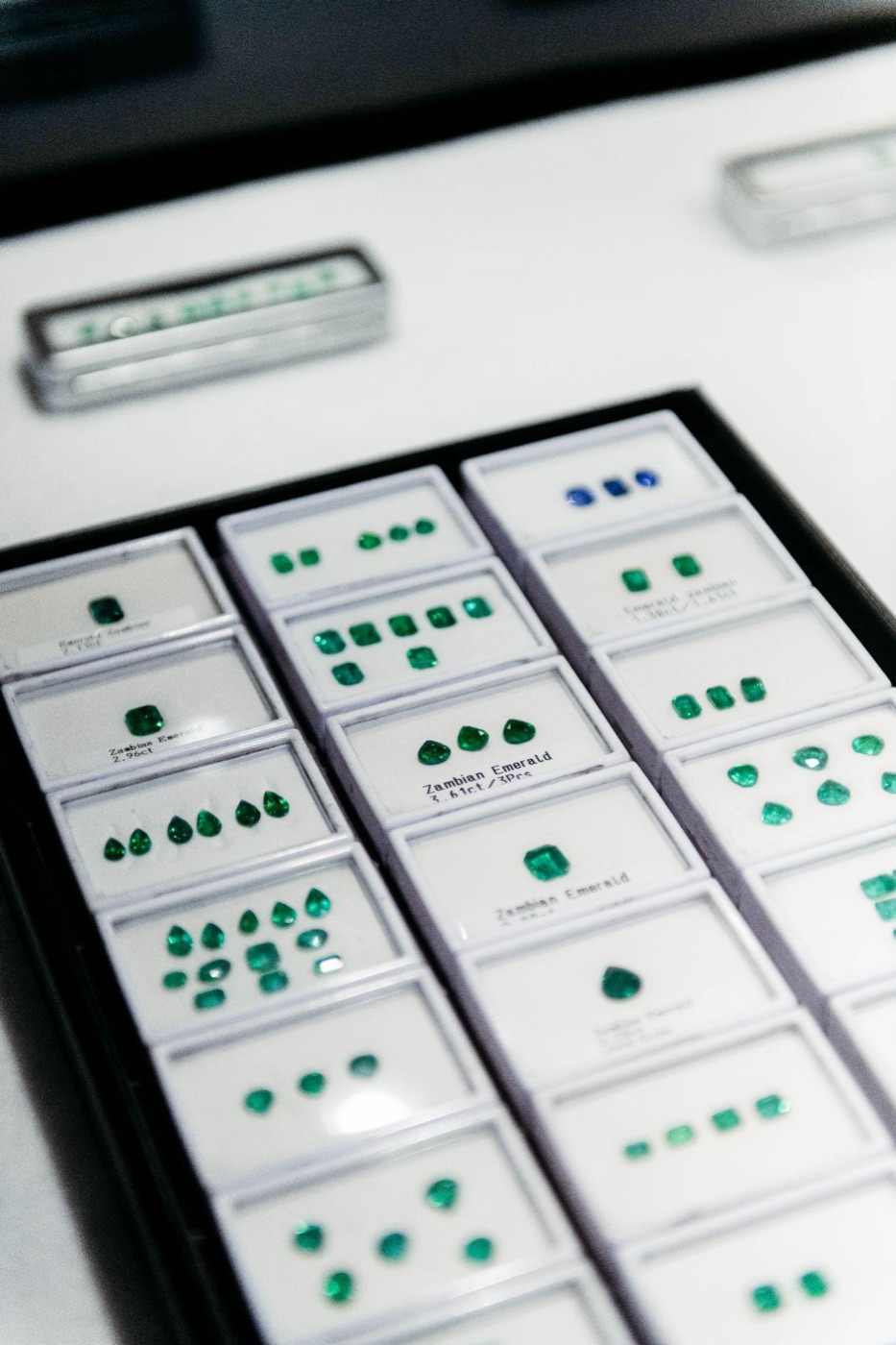
6. Supply, through Elements. You don't need your own brand to exhibit. Elements had 38 wholesalers and suppliers, and Silver Gallery was already there for India. Jaipur cuts much of the world's coloured gemstones; that belongs in Elements.
Price ties it together. Metal costs are up and buyers are careful with volume, so low minimums, brass bases and recycled-metal plating are a strong pitch. The India-EU agreement also takes jewellery duties down to zero (we cover it in our piece on the EU-India window).
What should an Indian jewellery brand do before the next edition?
An Indian jewellery brand should prepare for January now. The next Bijorhca runs 16 to 18 January 2027 at Porte de Versailles, alongside Who's Next.
- Pick your door. The main floor for a brand, Brilliant for fine jewellery, Elements if you supply other brands.
- Lead with one trend. One clear story (statement brass, enamel colour, horn) reads better than a full catalogue.
- Price for Europe. Retail price in euros, wholesale at around half, and minimums an independent shop can say yes to.
- Book meetings before you fly. Belgian, Italian and Spanish buyers were the biggest foreign groups. Write to them in advance.
- Come together. A group of Indian houses gets the visibility Italy and Morocco had this September.
If Bijorhca is new to you, start with our guide: is Bijorhca worth it for an Indian jewellery brand?
Bijorhca September 2026 showed buyers who are careful but ready to order, and a trend list India can supply almost line for line. India is already fourth on the floor. The next step is showing up with the right product, as a group.
Tell us what you make and we'll tell you where it fits. Apply for January, or book a 30-minute call.