
Trade Shows
Is Interfabric Moscow the way into the Russian textile market?
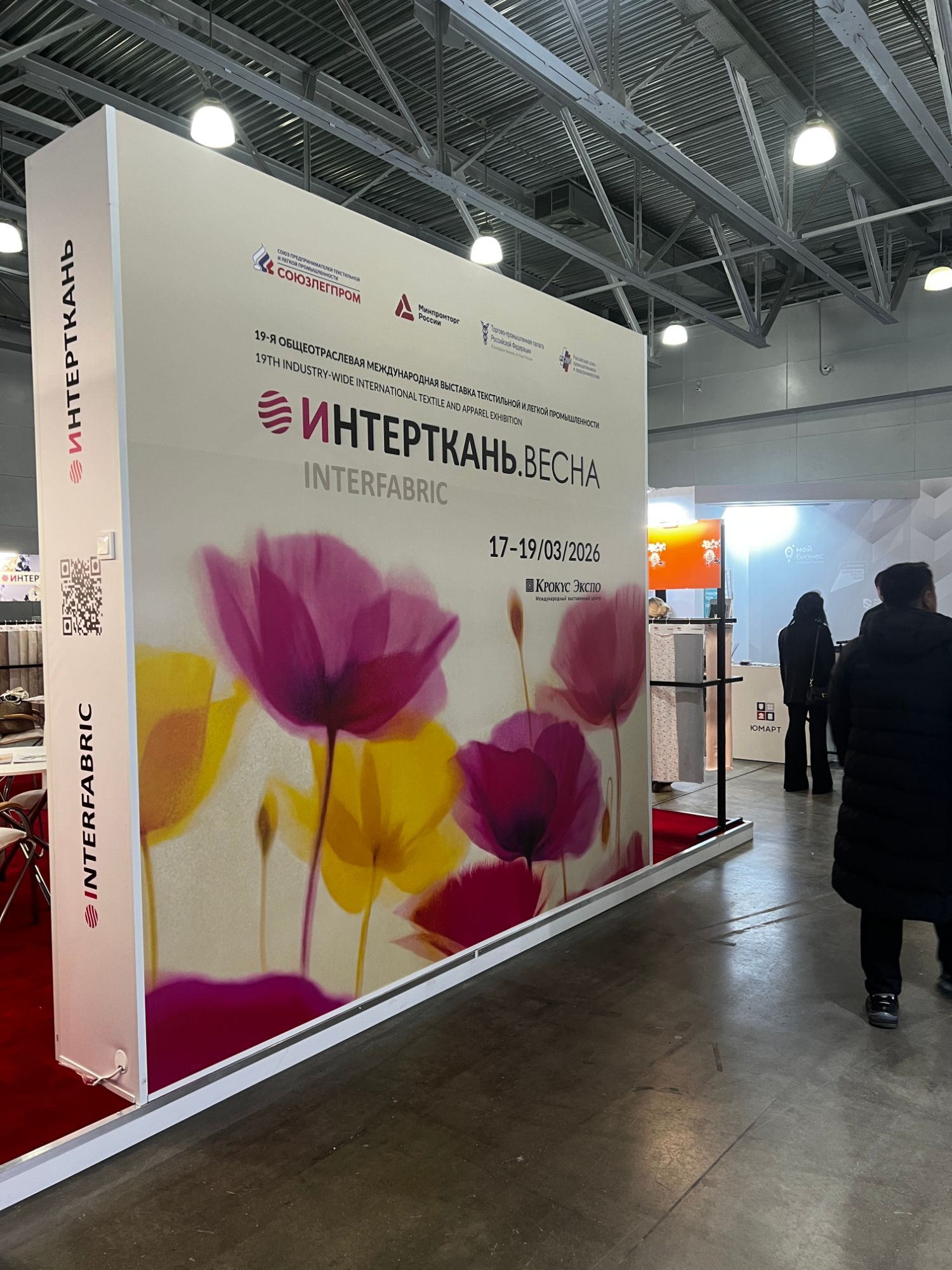
Yes, Interfabric in Moscow is the most direct way for an Indian textile supplier to enter the Russian market. It is the room where Russian buyers source, and Russia is one of the largest textile markets where India has almost no presence.
For an Indian mill, a knits factory or a home-textile supplier, Interfabric is the most direct way to meet Russian and CIS buyers face to face. Here's what the show is, who you meet, and how to turn one trip into a real Russia business.
What is Interfabric?
Interfabric is the largest specialised textile exhibition in Russia and Eastern Europe (Interfabric). It runs twice a year, in spring and autumn, at Crocus Expo in Moscow. The 2026 autumn edition, its 20th, is 29 September to 1 October 2026, with the next spring edition following in March 2027.
Interfabric is the only fabric and textile show in Russia that carries official Russian government support, backed by the Ministry of Industry and Trade, the Russian Export Center, the Chamber of Commerce and Industry, and the Russian Union of Industrialists and Entrepreneurs (Interfabric). For a foreign supplier, that backing is the difference between a private fair and the show the Russian state itself stands behind. It's where the Russian industry comes to source.
Interfabric is an established fixture, not a start-up: twenty editions in, exhibitors come from more than 20 countries, the trend zone reads the season ahead, and the same buyers return twice a year. For a supplier, that consistency is the value: the people you want to reach treat Interfabric as their sourcing calendar.
The government backing is concrete, not ceremonial. In an official letter on the 2026-2027 national exposition, the Chamber of Commerce and Industry of the Russian Federation ties Interfabric directly to Russia's “Strategy for the development of the textile and apparel industry until 2035,” a plan being shaped by the State Duma, the Federation Council and the Ministry of Industry and Trade. The same bodies offer to help foreign participants set up national pavilions and bring target buyers to their stands. The strategy explicitly courts ASEAN, BRICS and CIS suppliers, and India is a BRICS partner, so this is an open invitation, not a cold market.
How big is Interfabric?
Interfabric brings the Russian and CIS textile trade into one hall (Expo Connexion):
- 400+ exhibitors of fabrics, textiles and garment accessories.
- 13,000+ professional visitors, buyers and decision-makers, not tourists.
- 20 countries represented, anchored in Russia and the CIS.
Interfabric's regular visitors are the heads and owners of large textile, knitwear and sewing factories, private ateliers, retail chains, hotels and restaurants, and leading Russian designers. These are the people who place fabric and production orders, in person.
Which buyers source at Interfabric?
Interfabric's visitor list is full of names that move real volume in Russian retail. Among the retailers and brands that source at Interfabric:
- Hypermarkets and retail chains: Auchan, O'Key and The Globe.
- Fashion retailers and brands: The Snow Queen, Finn Flare, The Bolshevik Woman and Familia.
- Denim specialists: 5 Pockets and The Denim Symphony.
- Home and online: Your House, plus the online players KupiVIP.ru, VIPAvenue and Trend Island.
You won't sell to all of them in one edition. But these are exactly the accounts an Indian supplier wants in the room, and at Interfabric they walk the floor.
What is sourced at Interfabric?
Interfabric is organised into salons, so buyers find their category fast. The sections map closely to what India makes well (Interfabric):
- Fabrics and knitted fabrics.
- Ready-to-wear clothing, footwear and accessories.
- Home textiles and interior solutions.
- Children's and teen fashion.
- Technical textiles, composites and polymers.
- Textile and sewing-industry equipment.
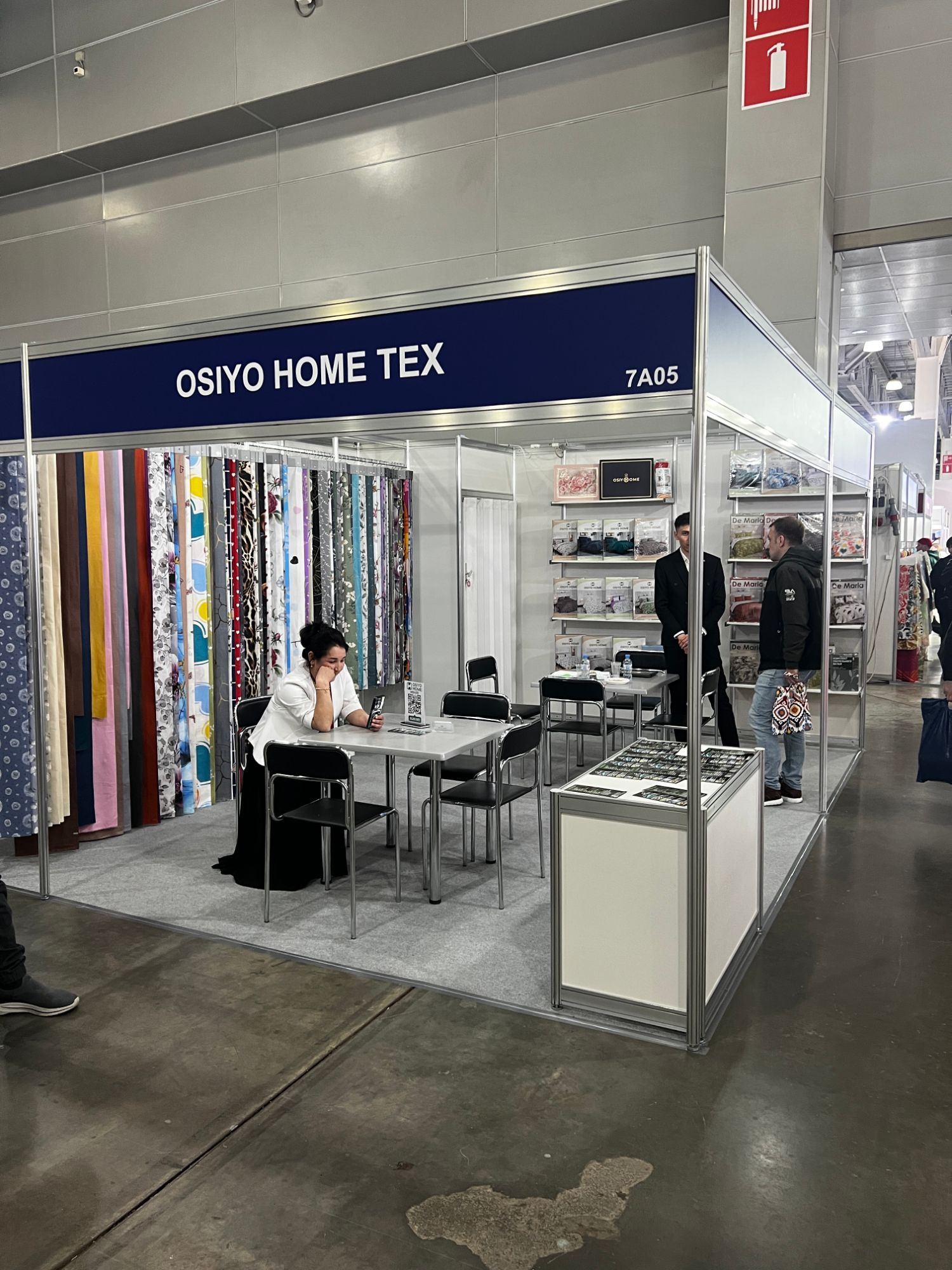
Fabrics, knits, home textiles and accessories sit at the centre of it, which is exactly where Indian suppliers are strong. A mill can sell greige and finished fabric, a knits factory can show jersey and basics, a home-textile house can present throws and bedlinen, all to buyers who came specifically to source them.
Why is Interfabric your gate to Russia?
Interfabric is your gate to Russia because it is where a wide-open market and a face-to-face stand meet. The full market case is in our companion guide on how to export to Russia, so the short version here: India supplies only about 2% of Russia's textile imports, China holds close to half, and Western brands left gaps after 2022. The demand is real and the competition from India is thin. Interfabric is where you turn that gap into orders.
A stand puts your fabrics and product in front of Russian manufacturers looking to move sourcing away from China, retail buyers filling vacated shelves, and the trade associations that decide how foreign suppliers plug in. You also get the business programme around the show, B2B meetings, round tables, master classes and the Trend Forum, where the next season's directions get set. The show also runs the Interfabric Awards and the international TextileTalents Award, so a strong stand can earn recognition as well as orders.
Does Interfabric reach beyond Russia into the CIS?
Interfabric reaches beyond Russia: its buyers come from across the CIS, Belarus, Kazakhstan and Central Asia, markets that source in much the same way and often follow Russian retail. One stand in Moscow puts you in front of a whole region that's slow and expensive to reach from India any other way. For a supplier testing a new market, that reach turns a single trip into several openings.
Why does Interfabric fit Indian textile suppliers?
Interfabric fits Indian suppliers because Russian demand lines up with Indian capability. Russian retailers want cotton, knitwear and everyday basics. Denim is wide open since China supplied most of it before 2022. And in home textiles, there's clear pull for throws, cushions and shawls, where an Indian maker can win on a cultural story rather than just price.
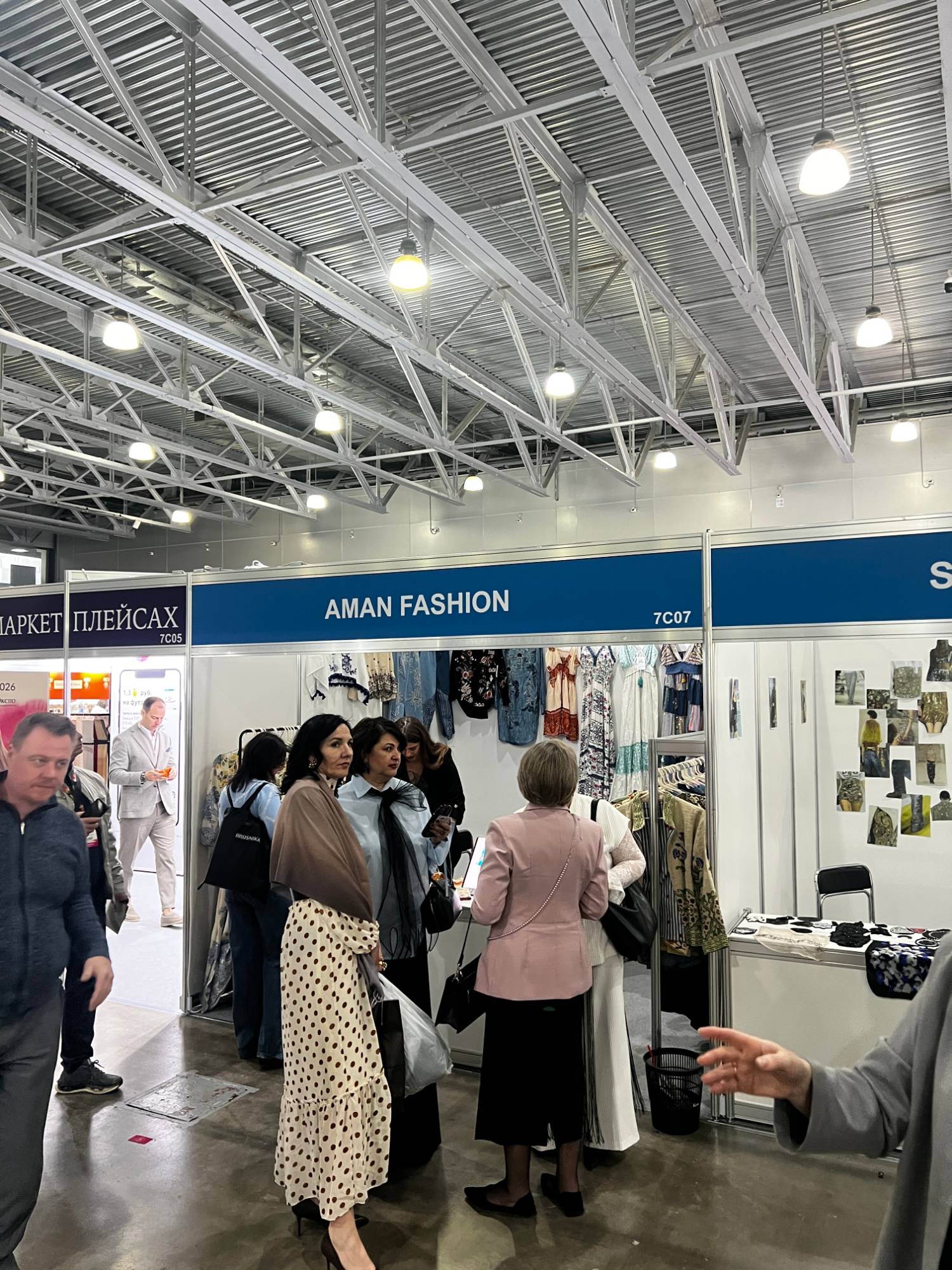
Take a Panipat home-textile mill doing cotton throws and cushion covers, or a Tirupur knits factory turning out cotton basics. Both make exactly what Russian retailers are asking for, and neither has a simple way to reach a Moscow buyer from India. Interfabric is that way. The same is true for a denim mill in Ahmedabad with the dyeing and the blends Russian jeans brands now need.
Interfabric is the one place you can show all of that to Russian buyers at once, read their reaction in real time, and find the distributor or manufacturer for a first order. For a mill or a home-textile house that has never sold into Russia, it shortens a years-long market-entry into a few focused days.
What can a stand do for you?
A booth at Interfabric works on three fronts at once: orders, relationships and market intelligence.
Orders. Russian factories and retailers source fabric and production at the show. Many decisions get made on the floor or in the weeks straight after.
Relationships. Russian buyers prefer suppliers with a face and a local contact. A stand is how you stop being an anonymous email and become a supplier they know.
Market intelligence. You learn what Russia actually wants from an Indian supplier: the constructions, the weights, the price points, the certifications. A season of that feedback is worth the trip on its own.
How do you turn the show into a Russia business?
A stand opens the door, but a Russia business needs three pieces built around it: payment, logistics and compliance.
Payment. Settle in rupees through the RBI mechanism, with a Russia-facing bank like Sberbank to structure it.
Logistics. Move goods on the Chennai-Vladivostok corridor or the western sea route, with operators like FESCO.
Compliance. Meet EAEU standards, with EAC conformity and Russian labelling.
We walk through all three in detail in how to export to Russia. Interfabric is the front door; that guide is the rest of the house.
How do you make Interfabric count?
The suppliers who come back with orders tend to prepare the same way:
- Bring physical samples and a clear hanger of your best constructions. Russian buyers want to touch the cloth.
- Price for the Russian market before you arrive, landed cost and minimums ready.
- Have your certifications and composition details to hand. EAEU conformity questions come up fast.
- Bring someone who can talk production, not just sales. The serious buyers ask factory questions.
- Follow up within a week. The first order usually closes after the show, not on the floor.
How do you exhibit at Interfabric?
Brands and mills exhibit at Interfabric by applying through us as the show's agent for India. We assess your range, recommend the right salon, and handle the application and booth with the organiser (apply here). You arrive with a stand in the right section and a read on which buyers to target, instead of landing cold in a market you've never sold to.
If you're a trade body or a manufacturing cluster wanting to take a group of members into Russia, we set up delegations too (institutional services).
Russia is open, the shelves have gaps, and almost no one from India is there yet. Interfabric is the fastest way into that market, twice a year, in one hall in Moscow. The autumn edition is 29 September to 1 October 2026.
Tell us what you make and we'll put you in front of Russian buyers, then help you build the payment and logistics plan around it. Apply here, or book a 30-minute call.