
Who's Next, Paris
Is Who's Next Paris worth it? 12 things brands say, true or false
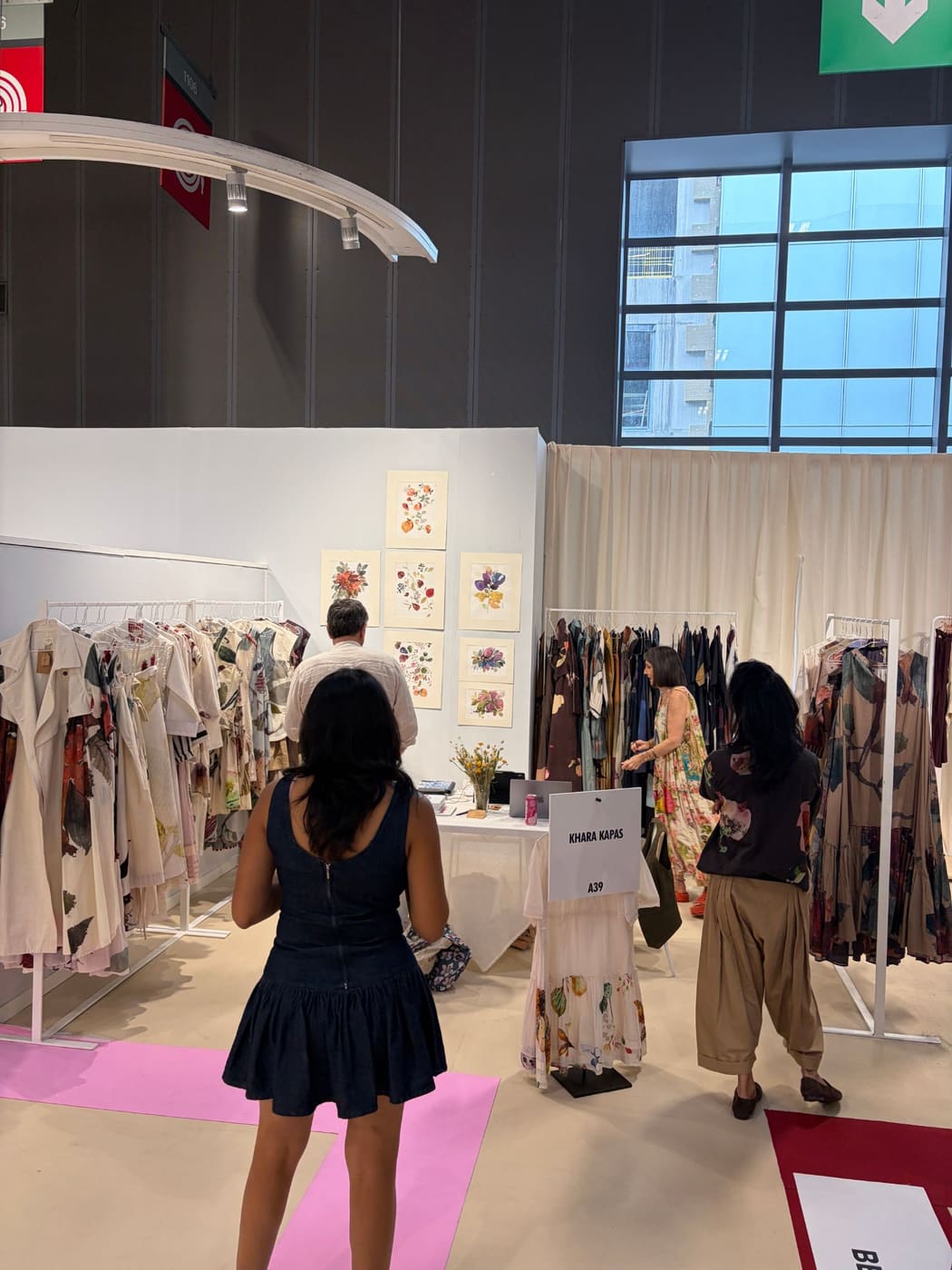
Yes, Who's Next Paris is worth it for a brand that is ready for European buyers. Most of what brands hear about the show is outdated. It is no longer a French show: 56% of visitors came from outside France in September 2026. Buyers do place orders on the stand, sourcing is about 5% of the offer, and India is one of the top 5 foreign exhibitor countries.
I've exhibited at Who's Next since 2015, with our own label and as a manufacturer, and for almost 3 years we have brought Indian brands to the show with Expo Connexion. Every season, the same questions come back. Here are the 12 we hear most, and what's true.
Is Who's Next a French show for French buyers?
False. It used to be. International visitors were around 30%. In September 2026 they were 56%, from 140 countries, up from 133 a year earlier.
You feel it on the floor. On a good aisle, you hear Italian, Spanish and English as much as French.
Do the buyers really come from all over the world?
True, with Europe first. The biggest groups after France are Italy, Spain, Belgium, Switzerland and the UK. Then come the US, China and Japan, each around 2% of visitors.
For an Indian brand, that's the point. You come to open Europe, and you meet buyers from further out at the same time. Our brands have booked orders from Japan, South Korea and South Africa as well as across Europe.
Have the big French brands left Who's Next?
It was true. It's changing. A few years ago some well-known French brands stopped exhibiting. They felt the show brought too few new clients, especially international ones.
In September 2026, several of them came back: Des Petits Hauts, Bérénice (after 3 and a half years away) and Not Shy. Brands like these know their numbers. They come back because the international buyers are back.
Do buyers come to look and not to buy?
False. Buyers come to Who's Next to buy. Many of them make their selection on the stand and book the order during the show. We see it every season with our brands.
Some visitors work differently, and it helps to know who is in front of you. Agents, showrooms and department stores often come to discover brands they will represent or buy later. Some buyers also like to follow a brand for a few seasons before they order. A visit without an order on the day is often the start of a relationship.
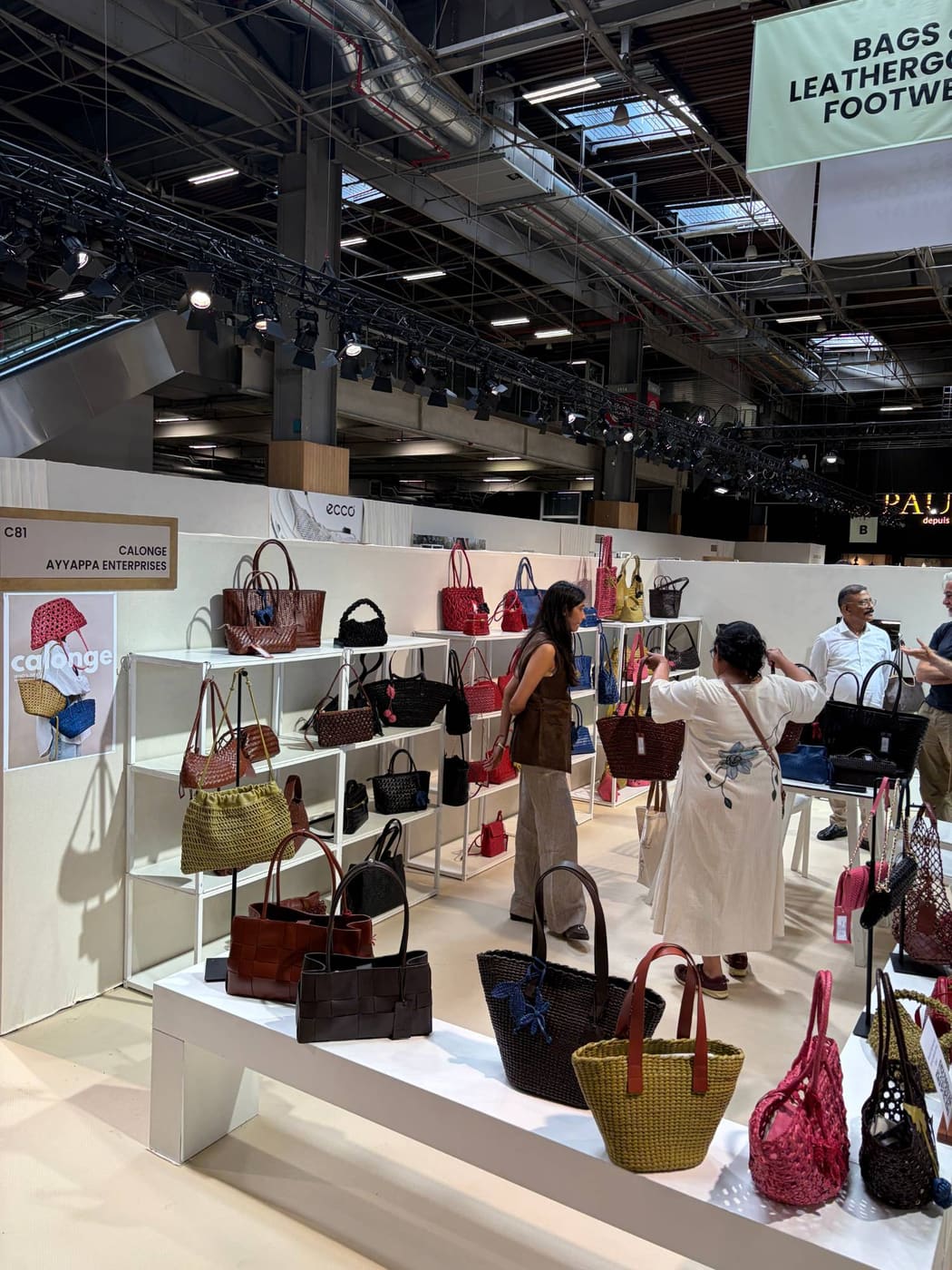
Will you get orders at your first Who's Next?
From some buyers, yes. From the bigger ones, usually not yet. Independent stores and concept stores often order at a first show if the brand fits them.
Bigger buyers want to see a brand 2 or 3 times before they order. They want to know the brand is serious: that it comes back, that its handwriting and DNA stay consistent, and how the collection evolves from one season to the next.
Keep in mind how they buy. They buy outright and they pay for the stock. They can't take a risk on a brand that may not be there next season. So plan for at least 2 or 3 editions, and treat the first one as the start.
Is Who's Next the wrong show for Indian brands?
False. India is among the top 5 foreign exhibitor countries at Who's Next and Bijorhca, alongside Italy, Spain, Germany and Greece. In September 2026, 81 Indian companies showed in Paris (the full list is here).
Indian brands that do well there have a clear story, a clean collection and prices that work for a European shop. Craft, natural fibres and handwork are exactly what many European buyers are looking for.
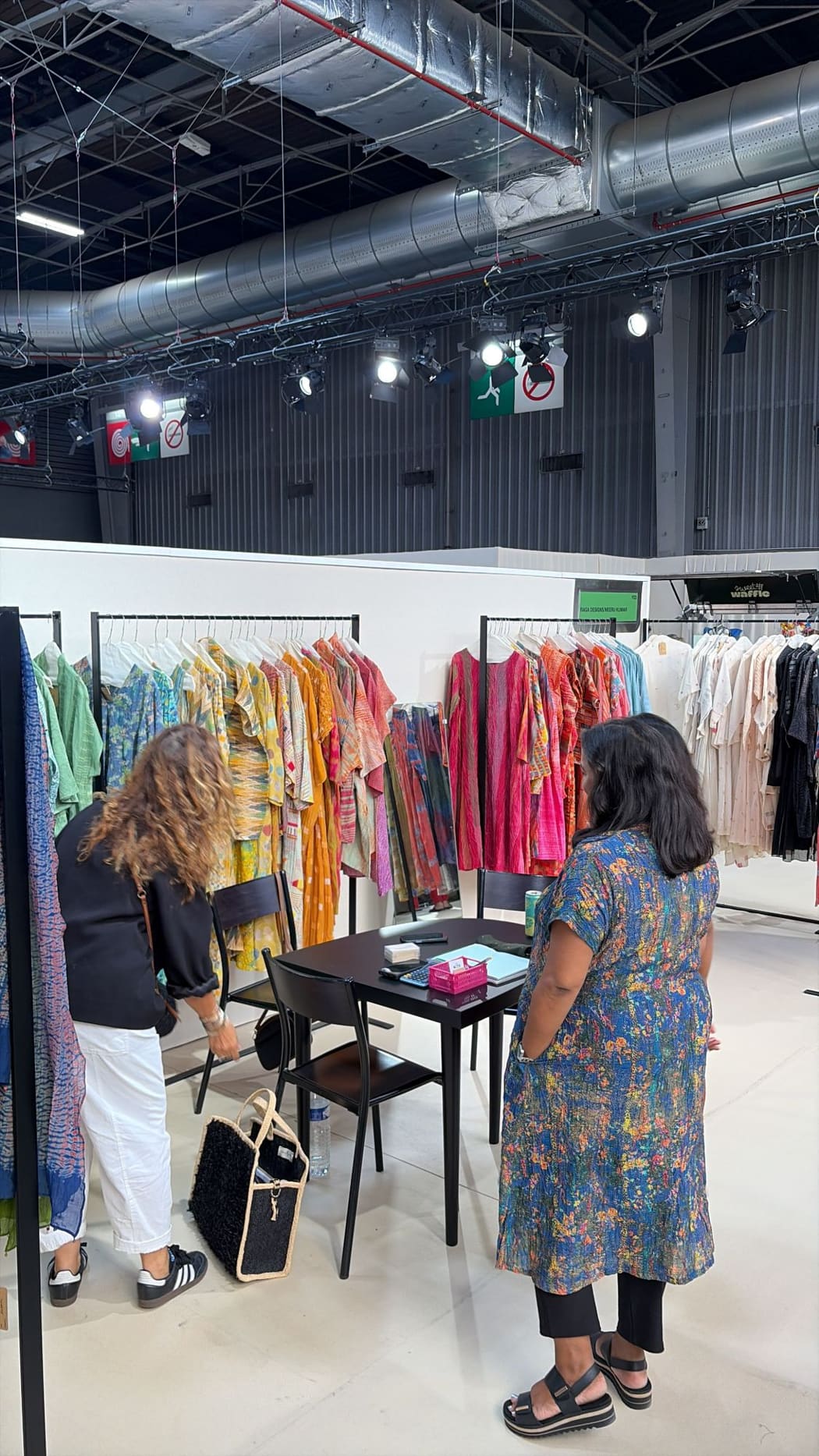
Is Who's Next a sourcing show?
False. Sourcing is a separate, small section of the show, about 5% of the offer today. The rest is brands: ready-to-wear, accessories, bags, shoes, jewellery at Bijorhca and home at Shoppe Object.
The visitors match. In September 2026, half of all visitors were retailers and concept stores.
Is Who's Next too commercial?
False. Who's Next is a reflection of the market, so it carries the whole offer: commercial, entry-price brands, and high-end designer collections too. Each sits in its own part of the show, placed by DNA and price point.
The buyers follow the same range. Department stores, high-end boutiques, concept stores and volume retailers all walk the show, each heading for the part of the floor that fits their store.
Is Who's Next too expensive for a small brand?
Yes and no. A stand in Paris is a real investment, and you should plan for it with travel, samples and time after the show.
But new brands are the DNA of Who's Next. It's in the name. Buyers keep coming back because they keep discovering new brands, and 39% of the brands in September 2026 were new. That's why there is a special scheme for brands less than 3 years old, with very attractive prices. We tell you if you qualify when we look at your application.
Are the halls at Who's Next quiet?
At times, yes. It's a very large show. The doors open at 9. If your stand is at the back of a hall, the aisle will be quiet until 10 or 10:30 while buyers work their way in.
The footfall is there, and it's good quality. The organiser counted around 8,500 visitors by 3pm on the first day of September 2026, and around 40,000 over the edition. Use the quiet first hour to get the stand ready and your line sheet in hand.
Is Who's Next shrinking?
True. Until 2020, Who's Next was spread over 4 halls. Today it fits in one big hall. I would say it is about half the size it was in 2019.
The reason is the market. After COVID, some brands moved their budget to selling direct, online. The number of retailers has also dropped, because fashion is going through a crisis almost everywhere.
Now we see the opposite movement. Brands that exhibited before COVID are coming back, and the edition grew again in September 2026, with 1,300 brands and visitors up 3%. An exhibition is always a reflection of the market. The buyers are still there, so if you want your share, come and take it.
Is Première Classe better than Who's Next?
No, it's different. Both are run by WSN in Paris. Who's Next is market week. Première Classe is fashion week. They serve different purposes and different buyers.
Who's Next is the large show, with around 1,300 brands, where the whole industry comes: agents, showrooms, distributors, importers and retailers of every size.
Première Classe is a small, curated selection of brands, and it is getting smaller on purpose, for a tighter curation. Only about 20% of the offer is ready-to-wear. The rest is accessories, jewellery and home. It runs during Paris Fashion Week, so the buyers are the niche, crème de la crème stores. It's a show for designers. Buyers there are buying a designer's story and image more than a product.
In terms of business, you will always do more at Who's Next.
So, is Who's Next Paris worth it?
For a brand with a clear message, prices that work in Europe and the patience to come back 2 or 3 seasons, yes. It puts you in front of the whole trade in one week: independent stores, concept stores, department stores, agents and showrooms, from 140 countries.
If you're not sure your brand is ready, that's the first thing we look at. Why I think it's the right show for Indian designers goes further. The next edition is 16 to 18 January 2027, and applications are open here.